The Process
Reworking, Return, and Accumulation
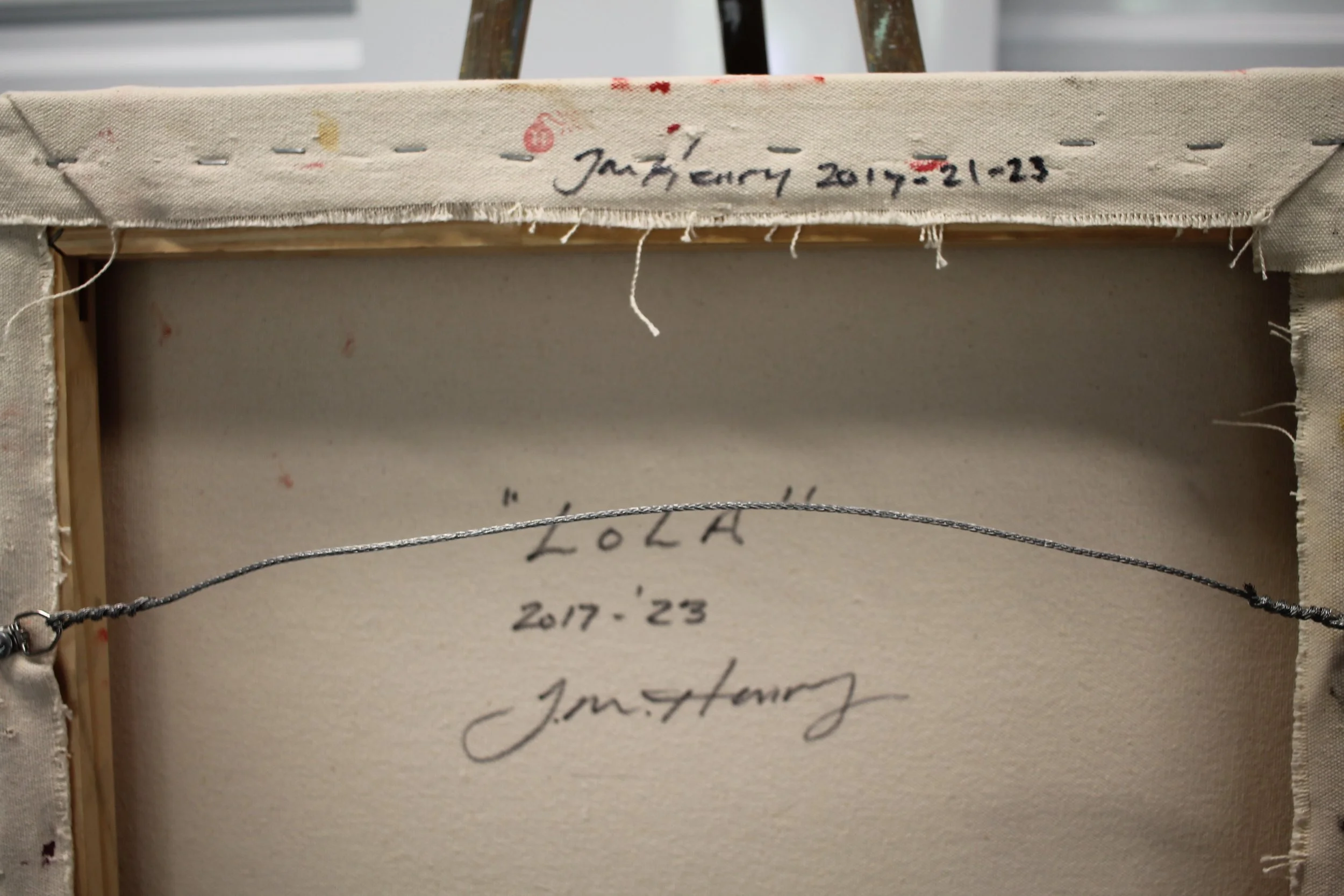
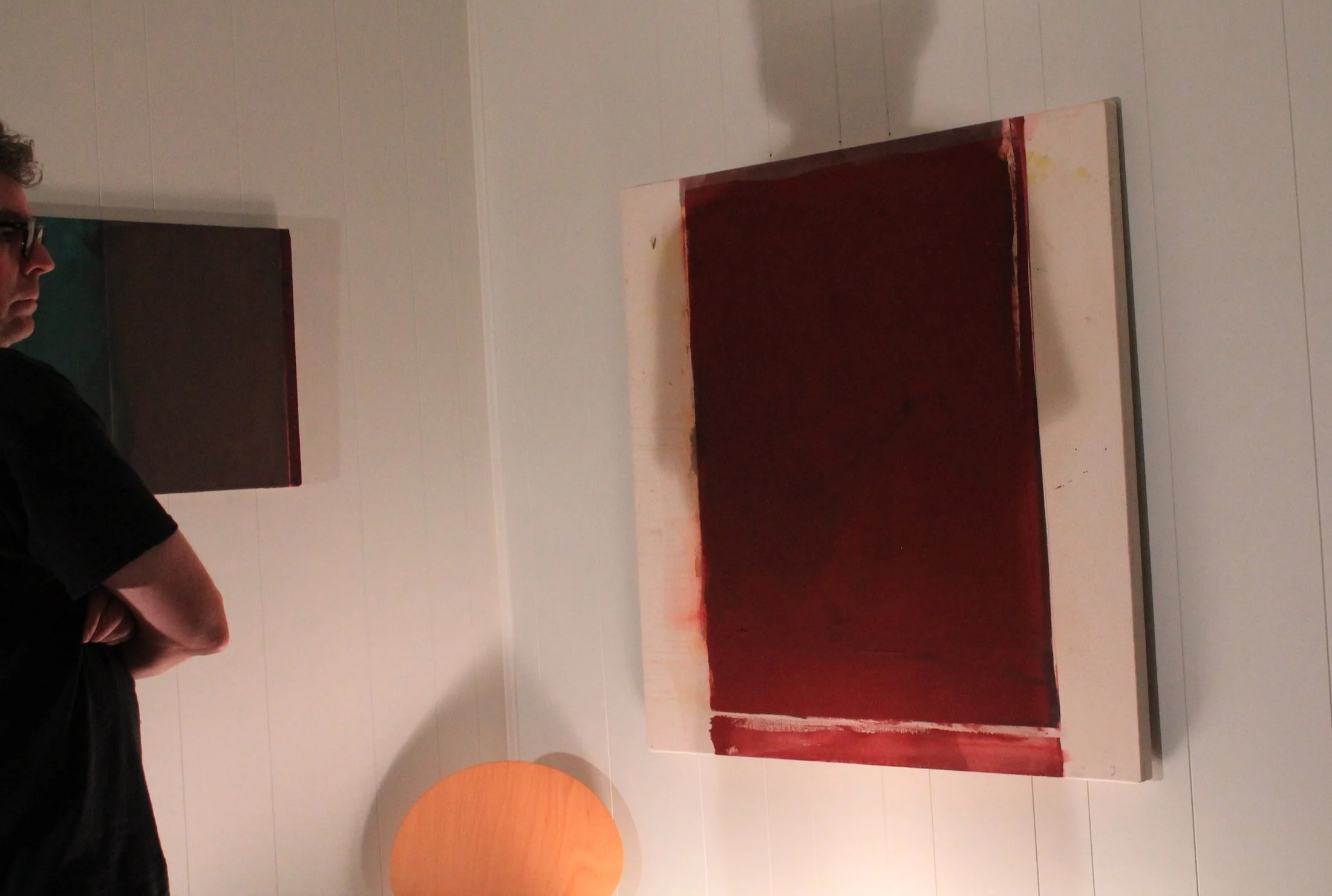
The work developed through repeated return rather than linear progression. Paintings were often revisited, altered, dismantled, and reassembled over extended periods of time. Earlier works frequently became source material for later ones, allowing forms, surfaces, and motifs to accumulate rather than resolve.
This process of reworking produced layers that carried traces of earlier decisions and revisions. Accumulation was not additive in a simple sense, but reflective — ideas were tested, set aside, and reintroduced as the work evolved. The finished painting represented a temporary state within a longer continuum of making.
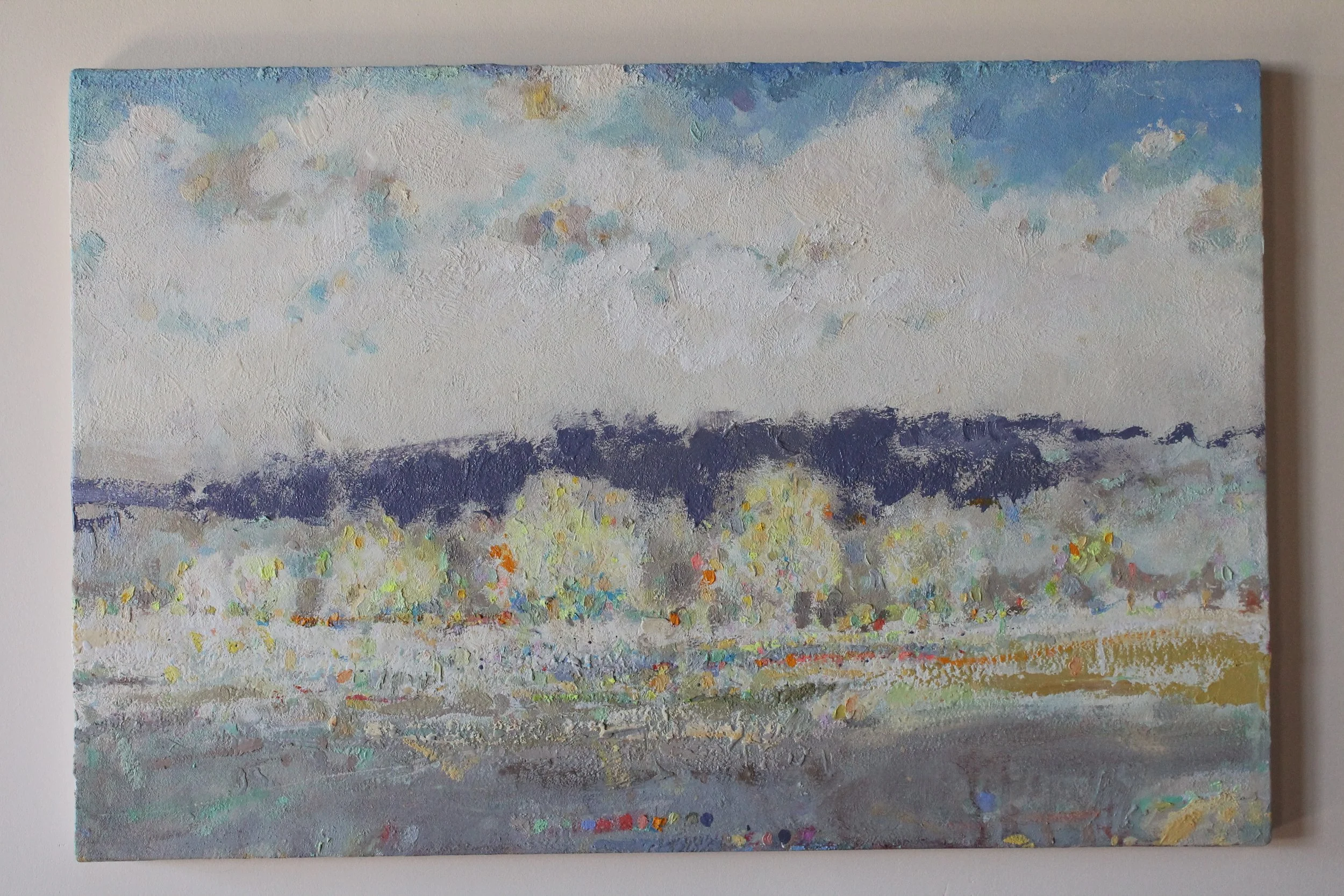
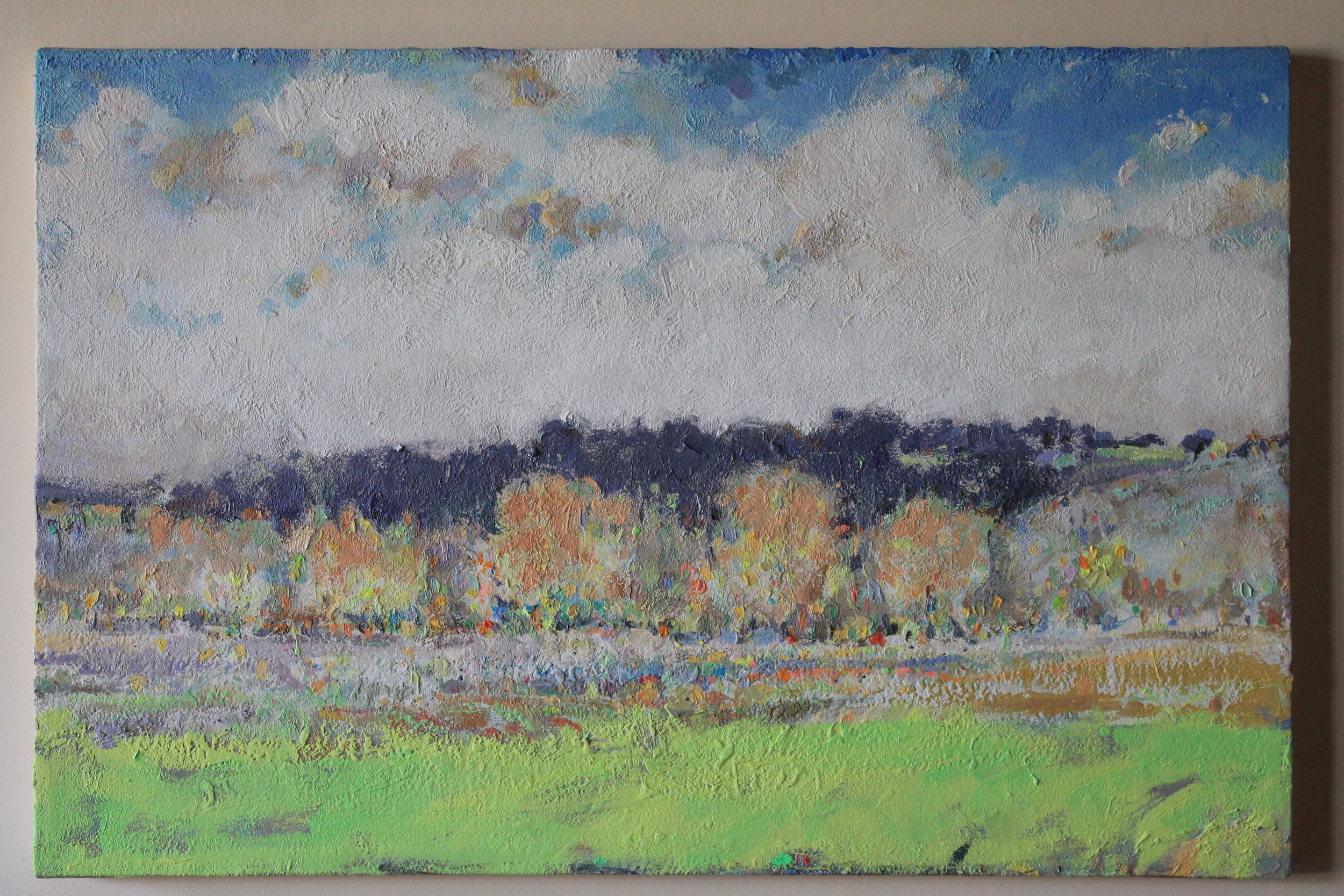
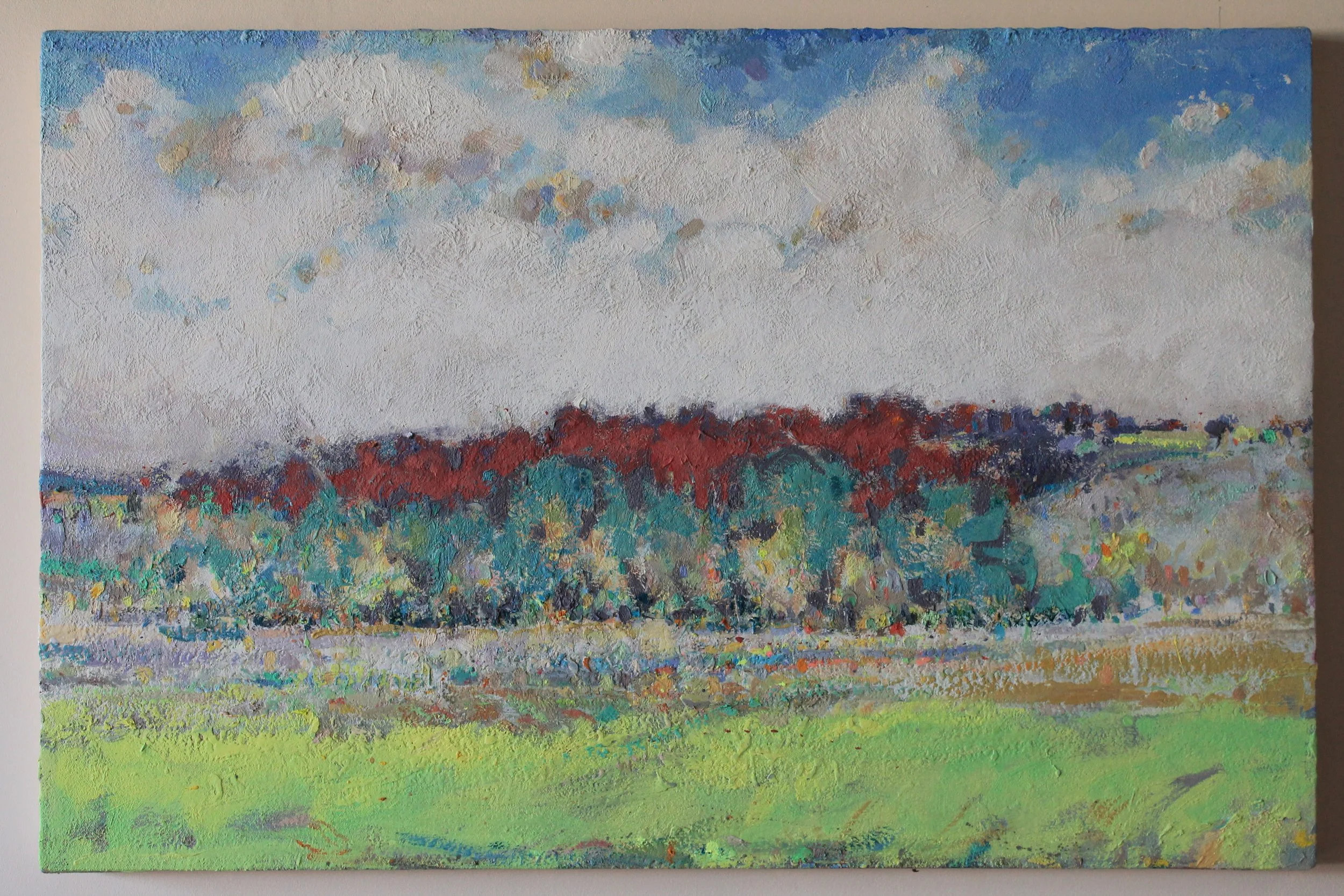
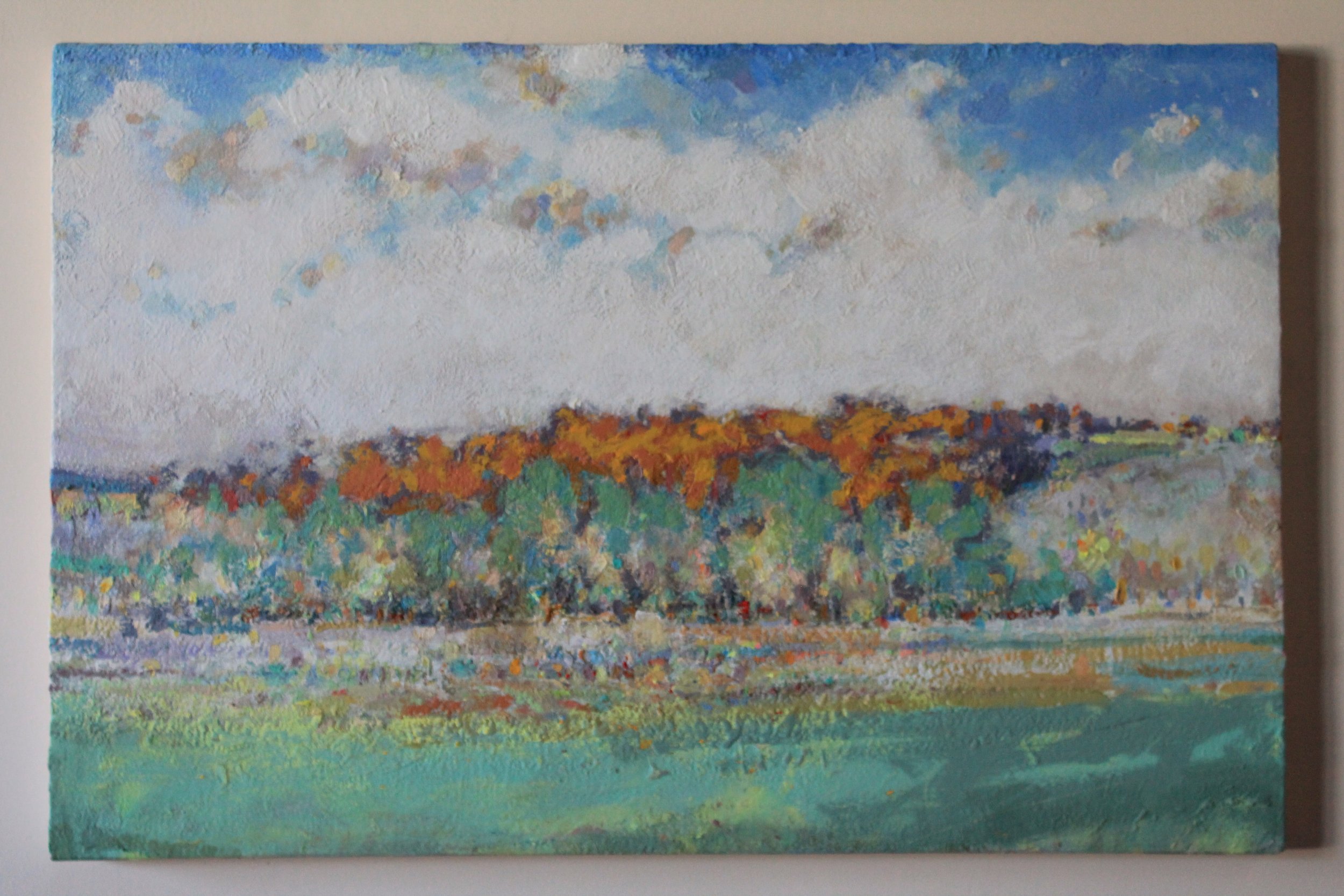
Studies Leading to Larger Works
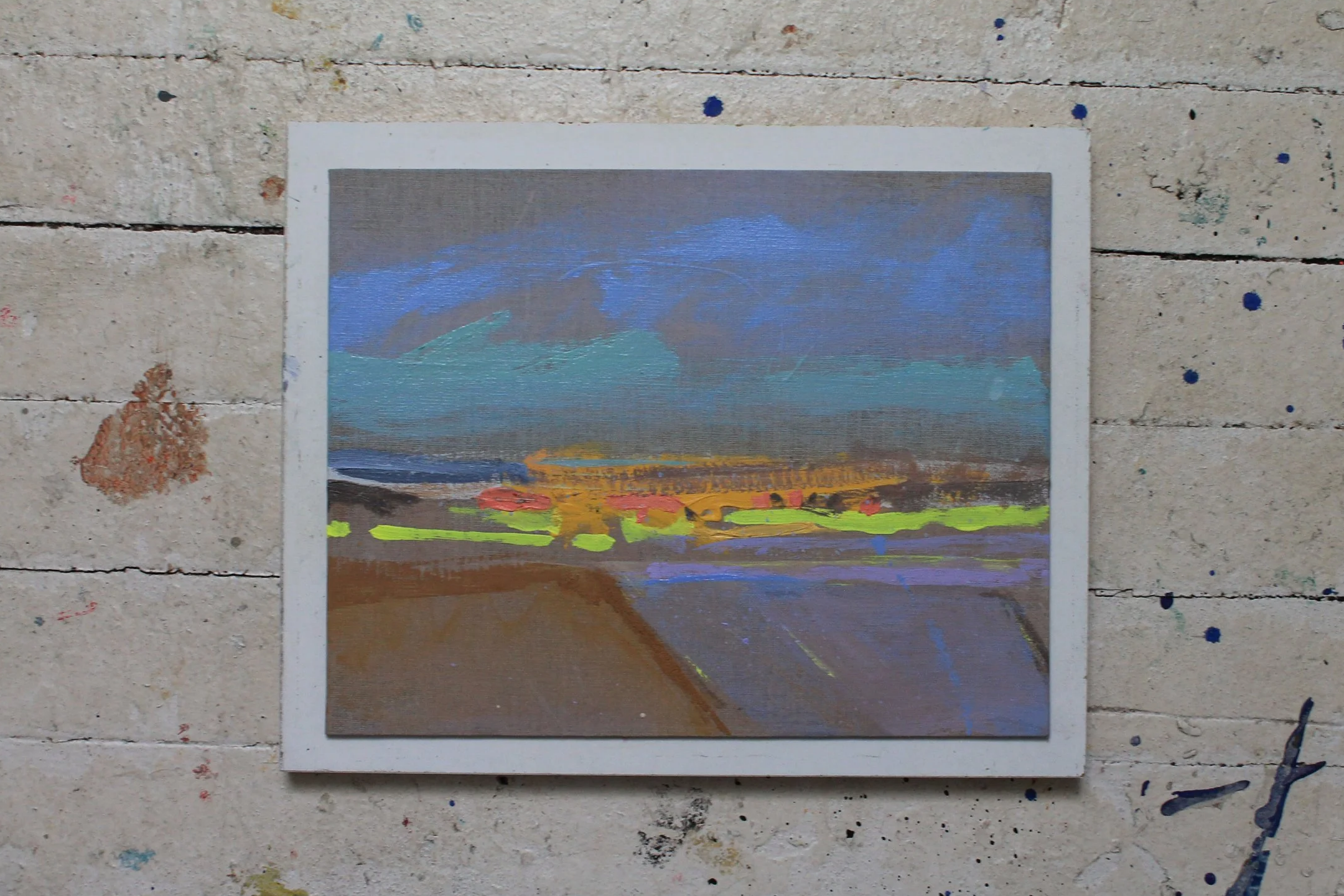
Extended periods of focus often produced numerous studies. These could range from small experiments to works at a similar or greater scale than the final painting. Scale was used as a tool for exploration rather than emphasis, allowing ideas to be tested repeatedly before coalescing.
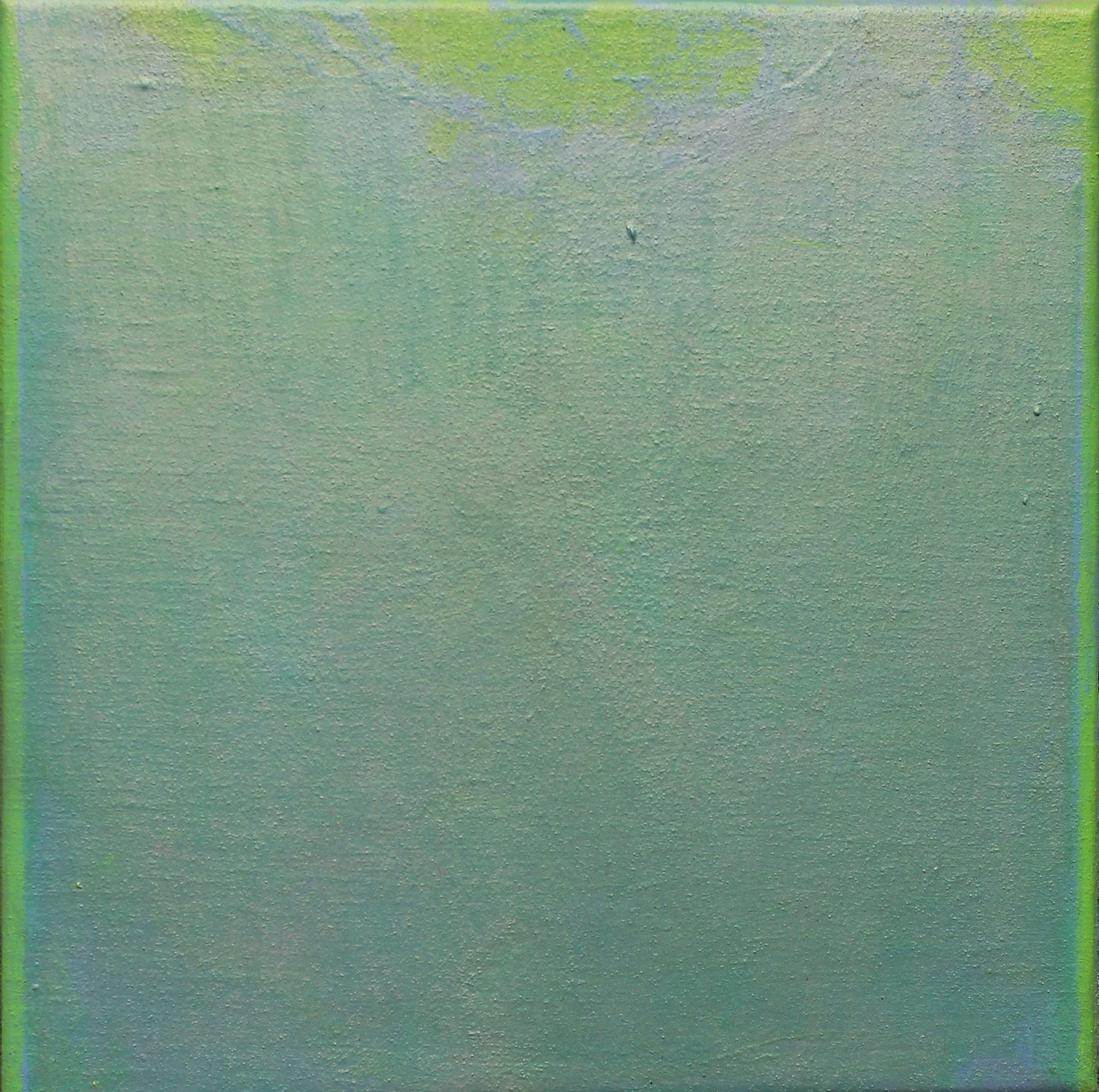
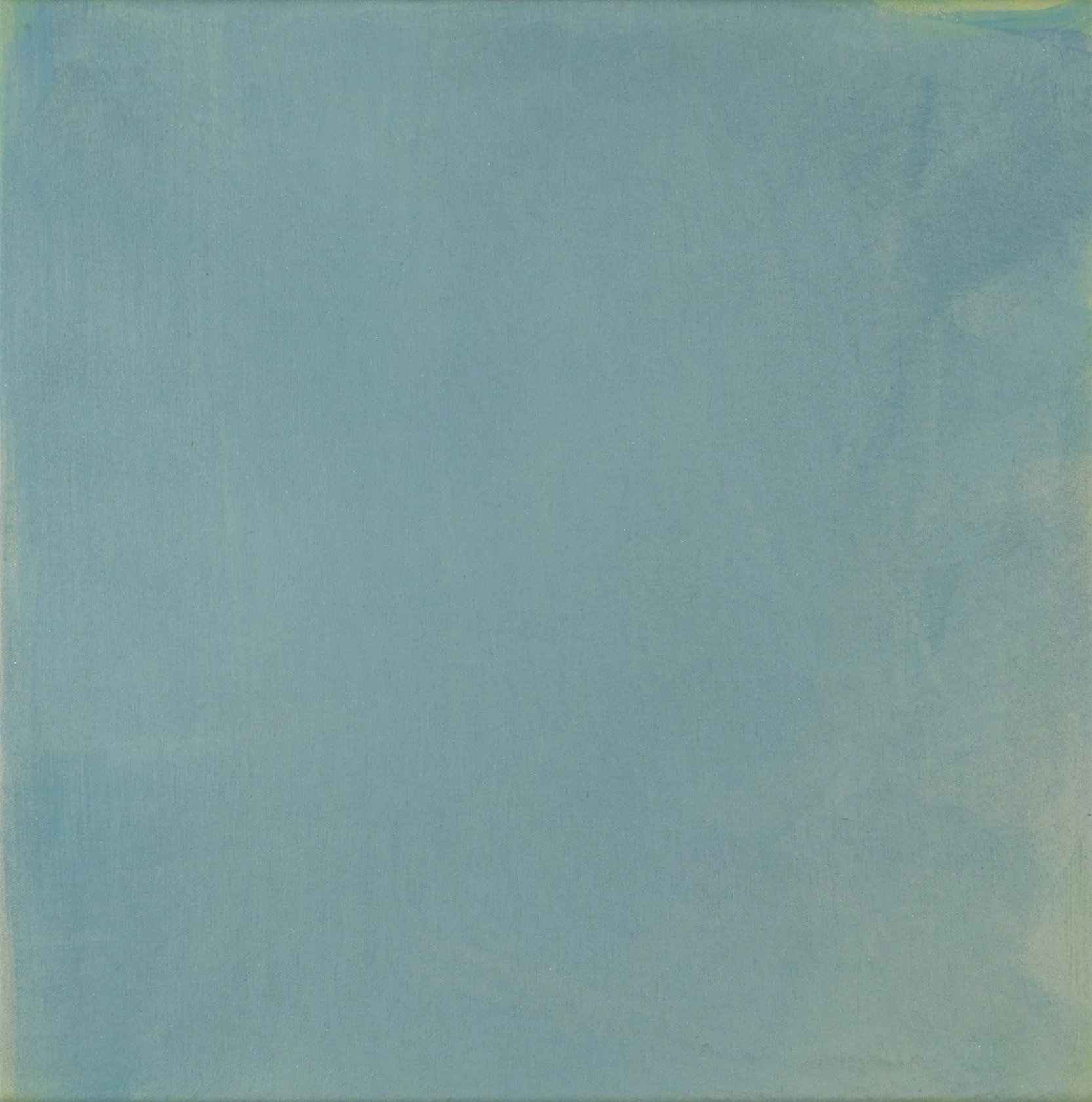
Color Study B
12” x 12”
In Fernlikt Archive
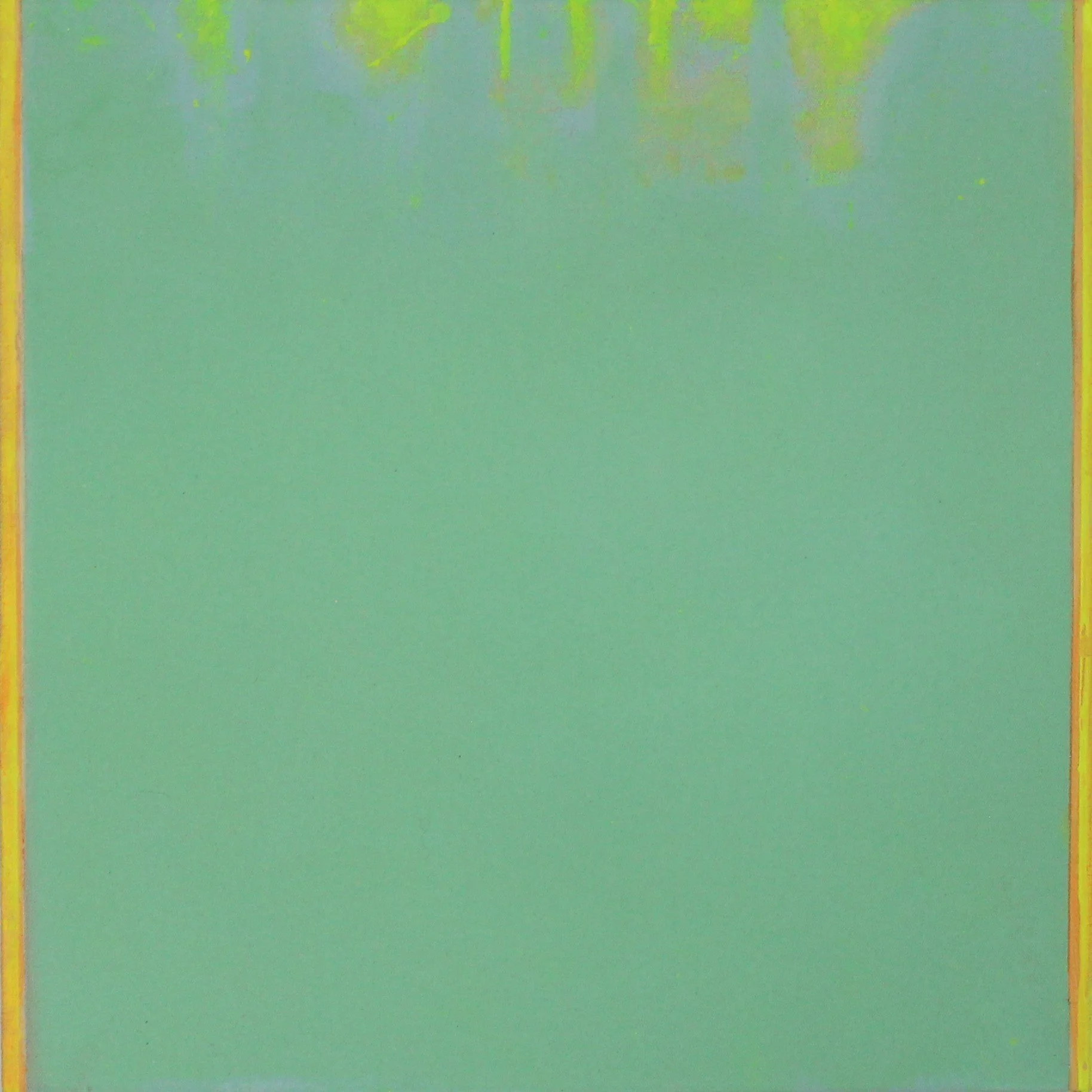
Aquashield
20” x 20”
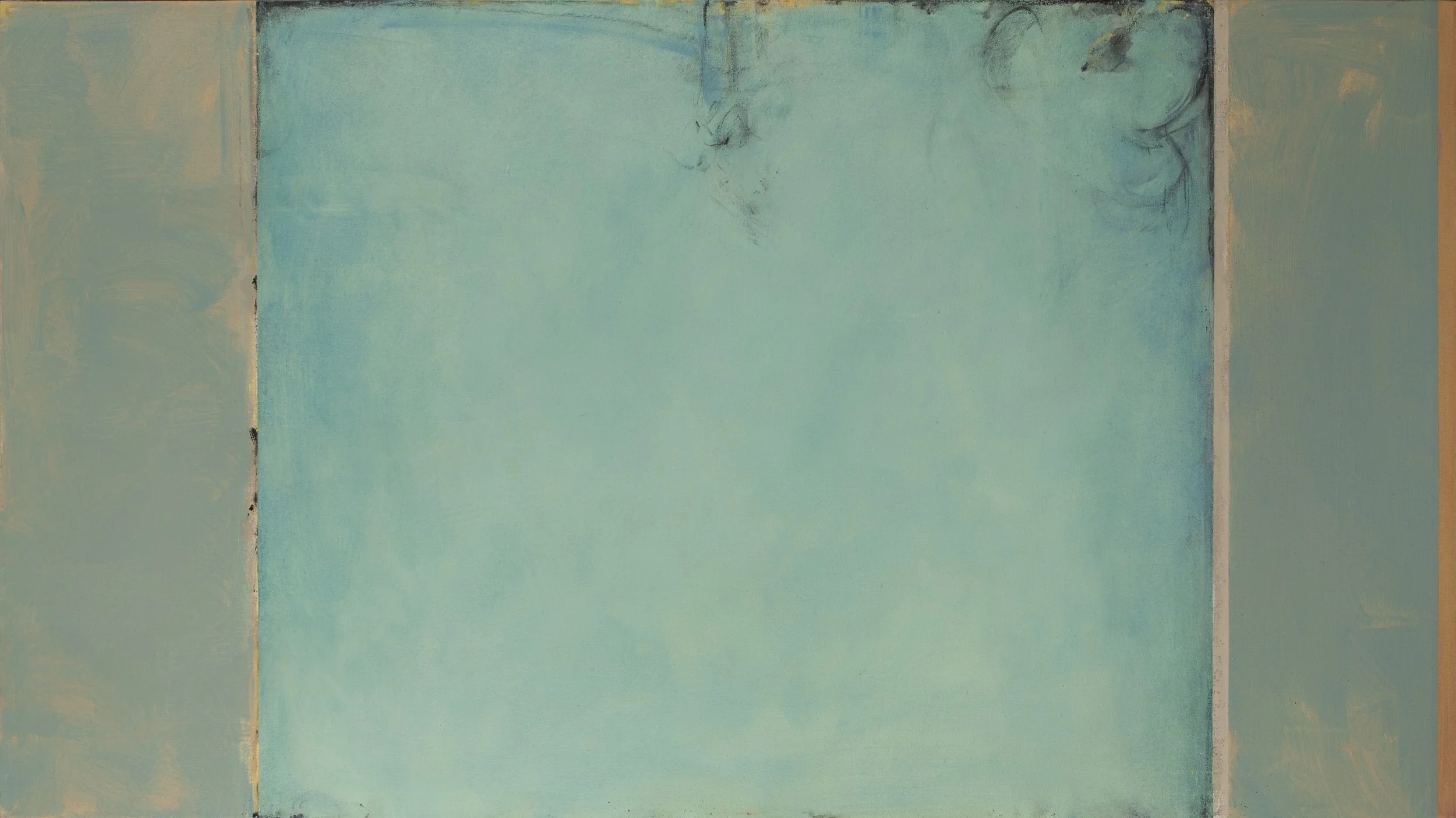
Aquafloat
36” x 68”
Harvest
20” x 20”
Medium & Material
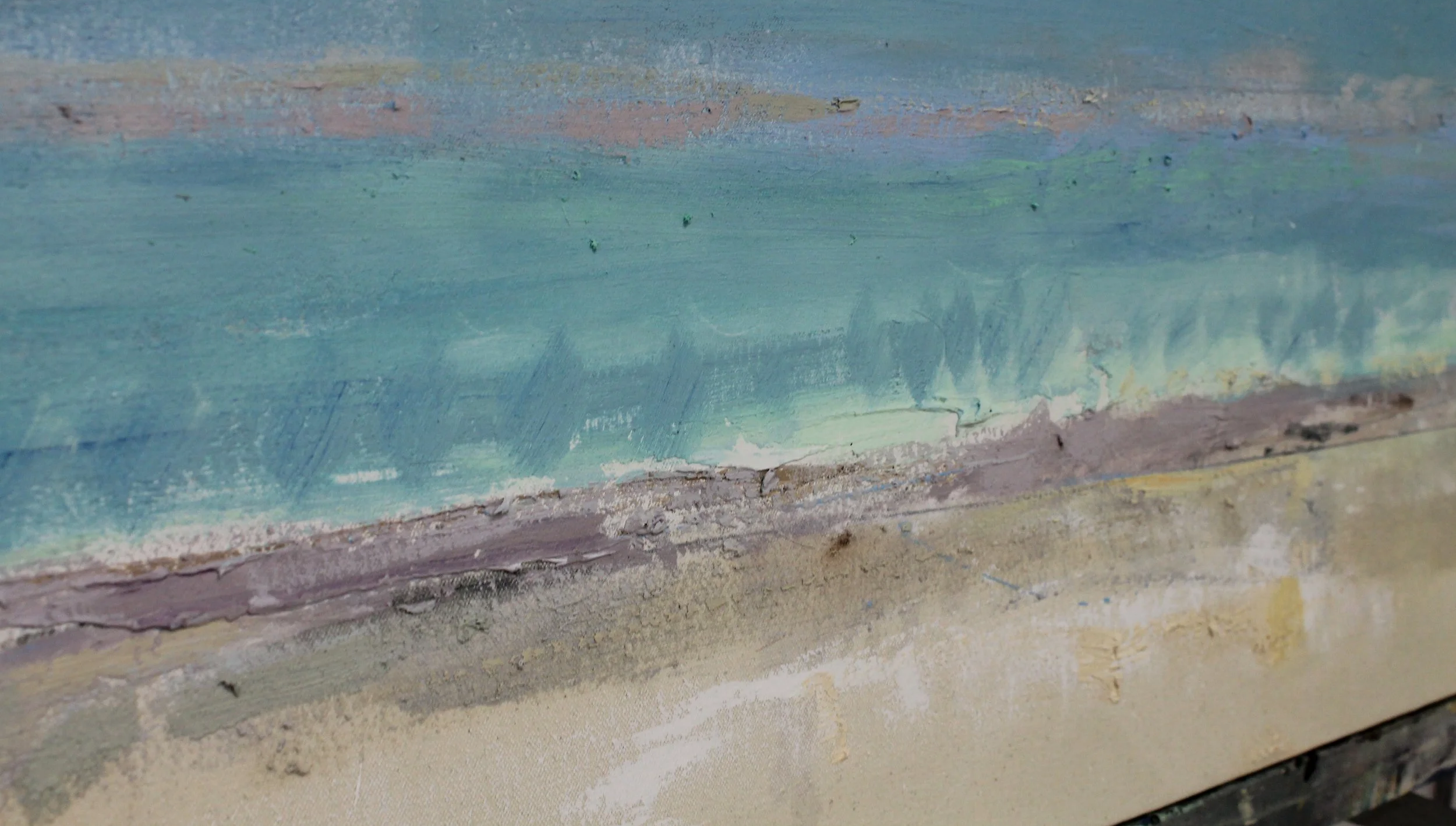
The work was grounded in oil and acrylic painting, with a range of additional materials incorporated as needed. Materials were treated as flexible and responsive, allowing surfaces to be built up, altered, and reworked over time.
Photography as a Tool for Seeing
Photography as Source Material
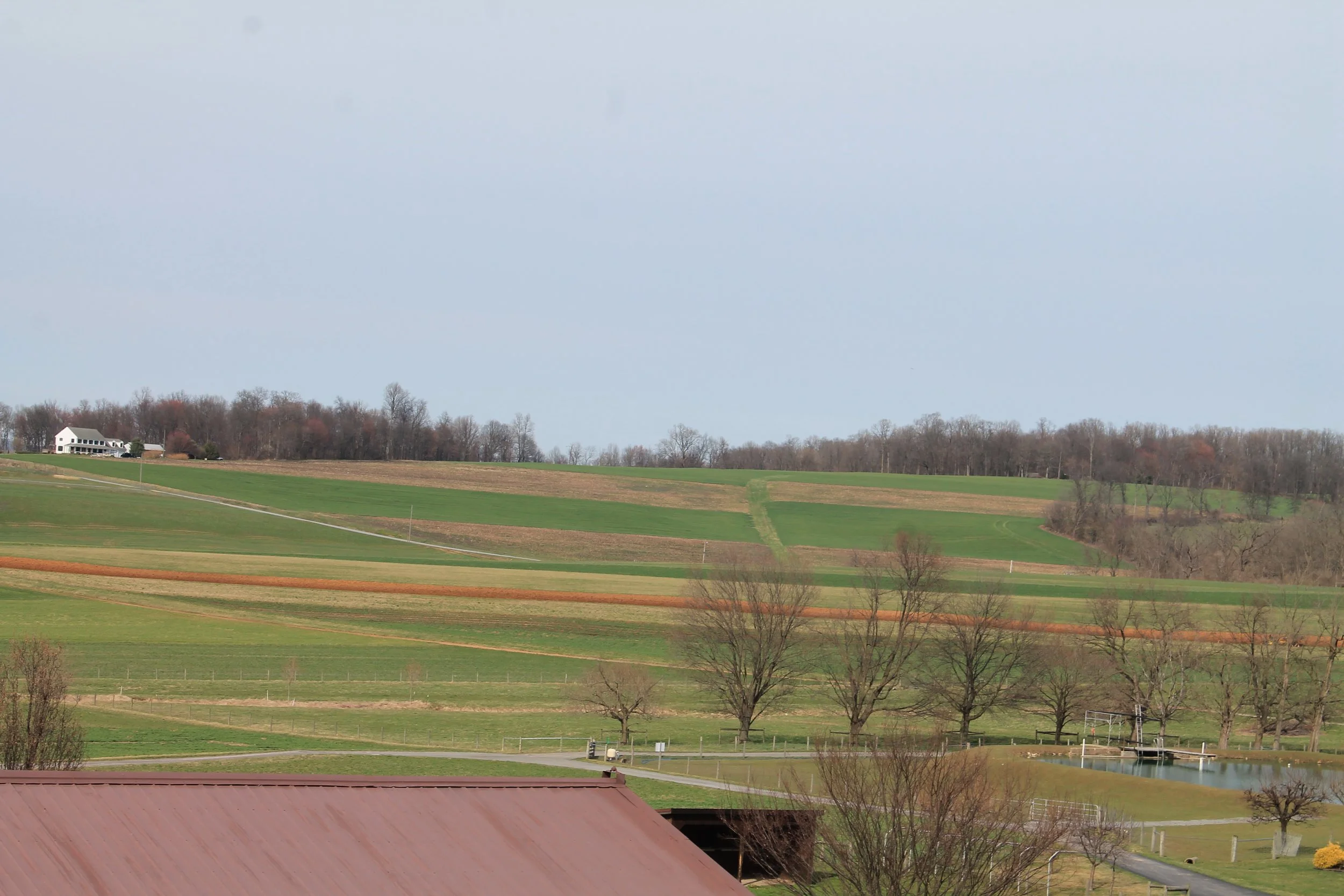
Photography also served as a means of gathering visual material beyond the studio. Images of landscapes, fragments of color, animal and plant life, and observed environments entered the work in varied ways — at times informing palette, atmosphere, and structure, and at others appearing more directly. These photographic references were absorbed into the painting process over time, contributing to the layered and accumulative nature of the work.