The Process
Reworking, Return, and Accumulation
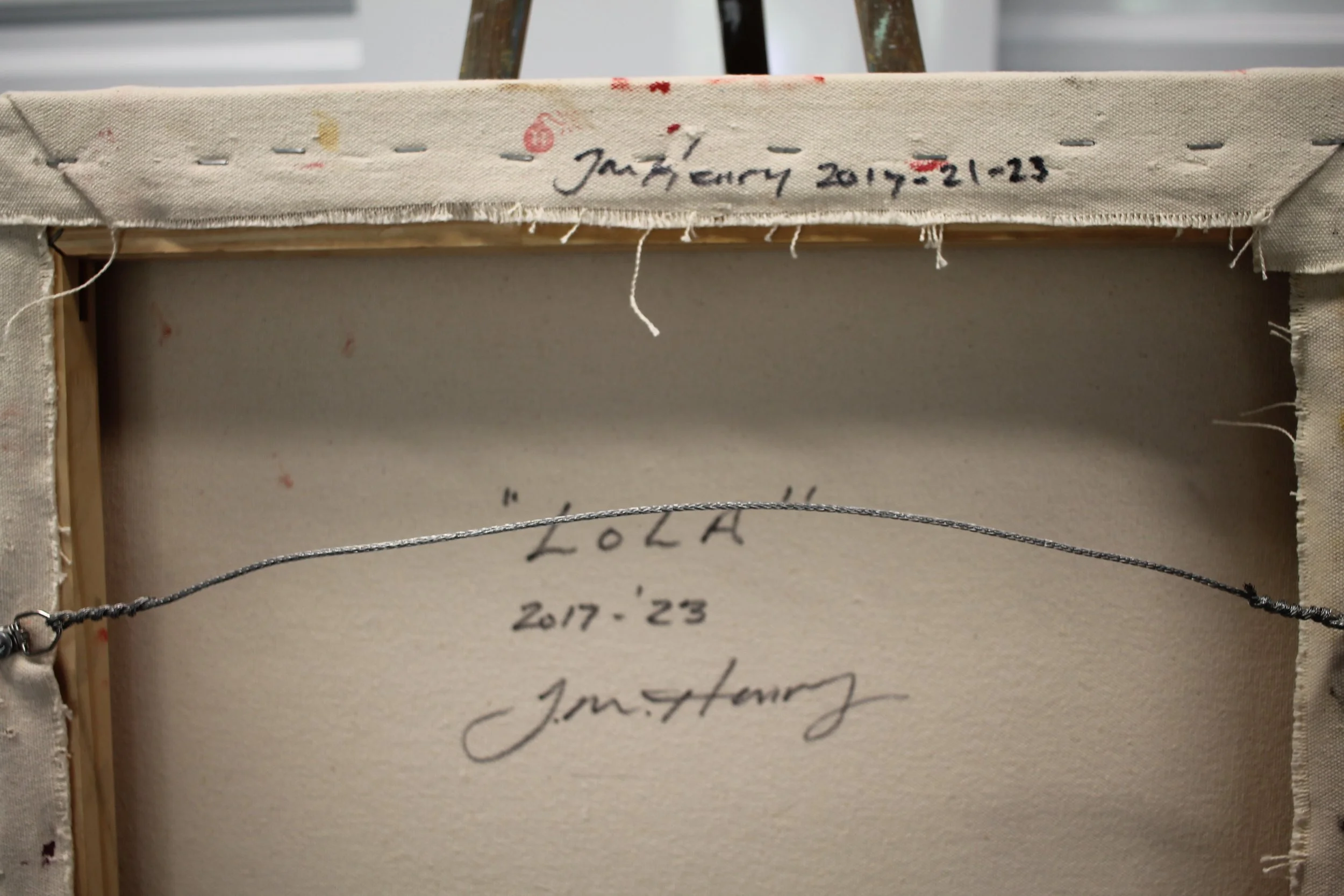
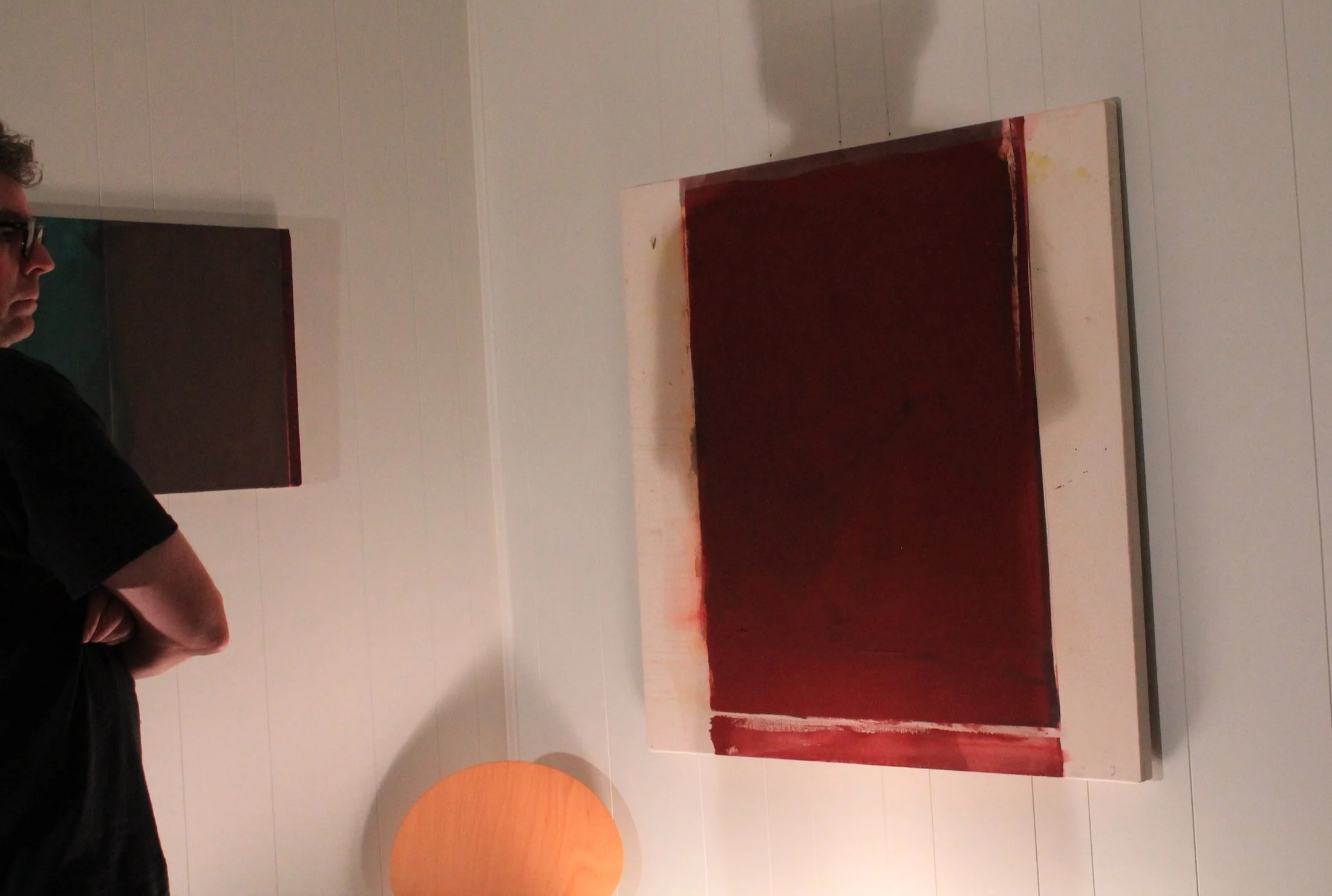
This process of reworking produced layers that carried traces of earlier decisions and revisions. Accumulation was not additive in a simple sense, but reflective — ideas were tested, set aside, and reintroduced as the work evolved. The finished painting represented a temporary state within a longer continuum of making.
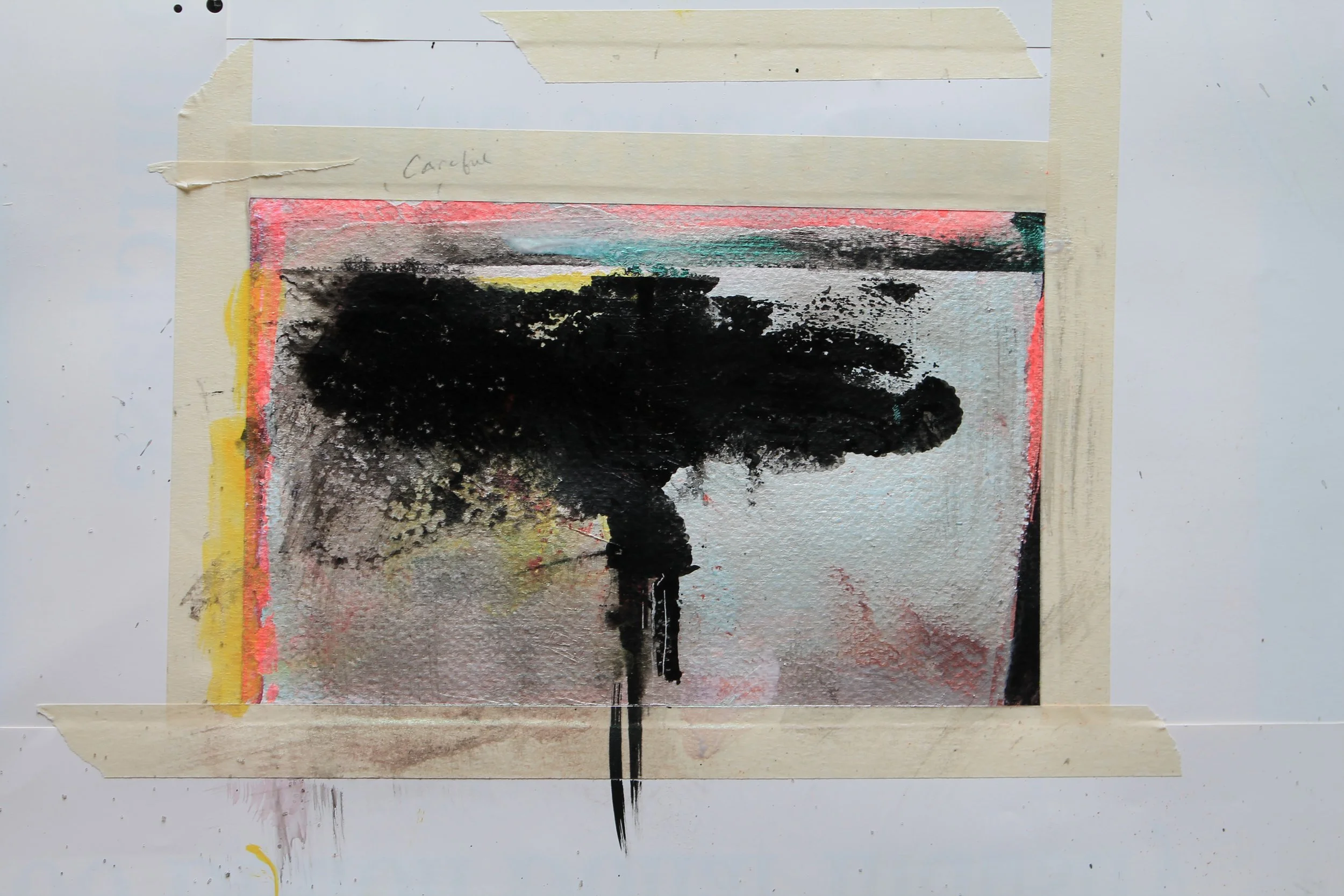
The work developed through repeated return rather than linear progression. Paintings were often revisited, altered, dismantled, and reassembled over extended periods of time. Earlier works frequently became source material for later ones, allowing forms, surfaces, and motifs to accumulate rather than resolve.
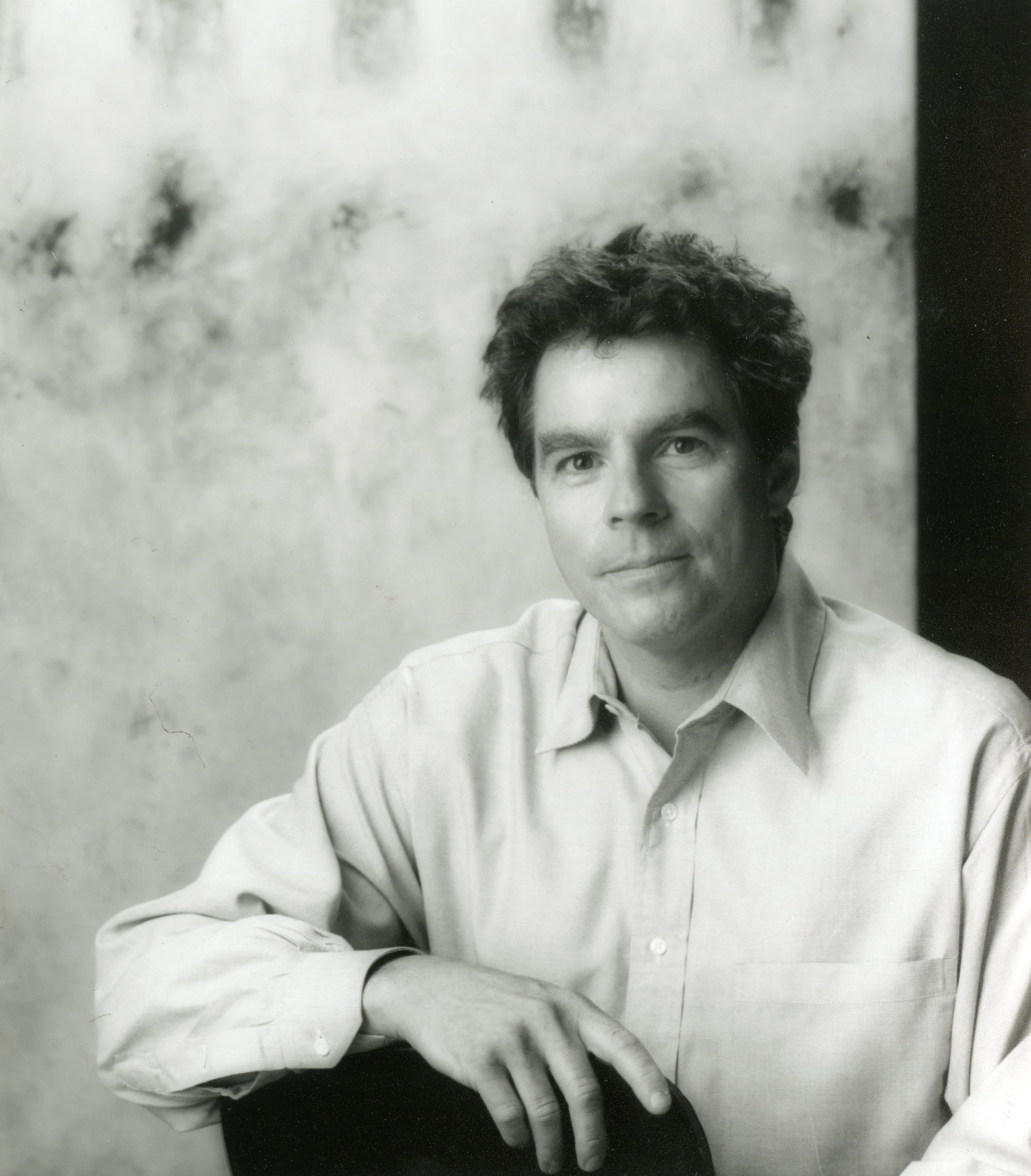
“I have always loved graphics and the attention printmakers paid to their surfaces and their choices of paper and formatting. Many of my best friends are/were printmakers and the progression of my work over the past 25 years or so can be charted in my works on paper and I have been hoarding them. Sometimes I‘ve reworked them as my ideas about color have changed or when I’ve discovered new pigments or paint brews and could not contain my enthusiasm.”
— J.M. Henry
Extended periods of focus often produced numerous studies. These could range from small experiments to works at a similar or greater scale than the final painting. Scale was used as a tool for exploration rather than emphasis, allowing ideas to be tested repeatedly before coalescing.
Studies and Expansion
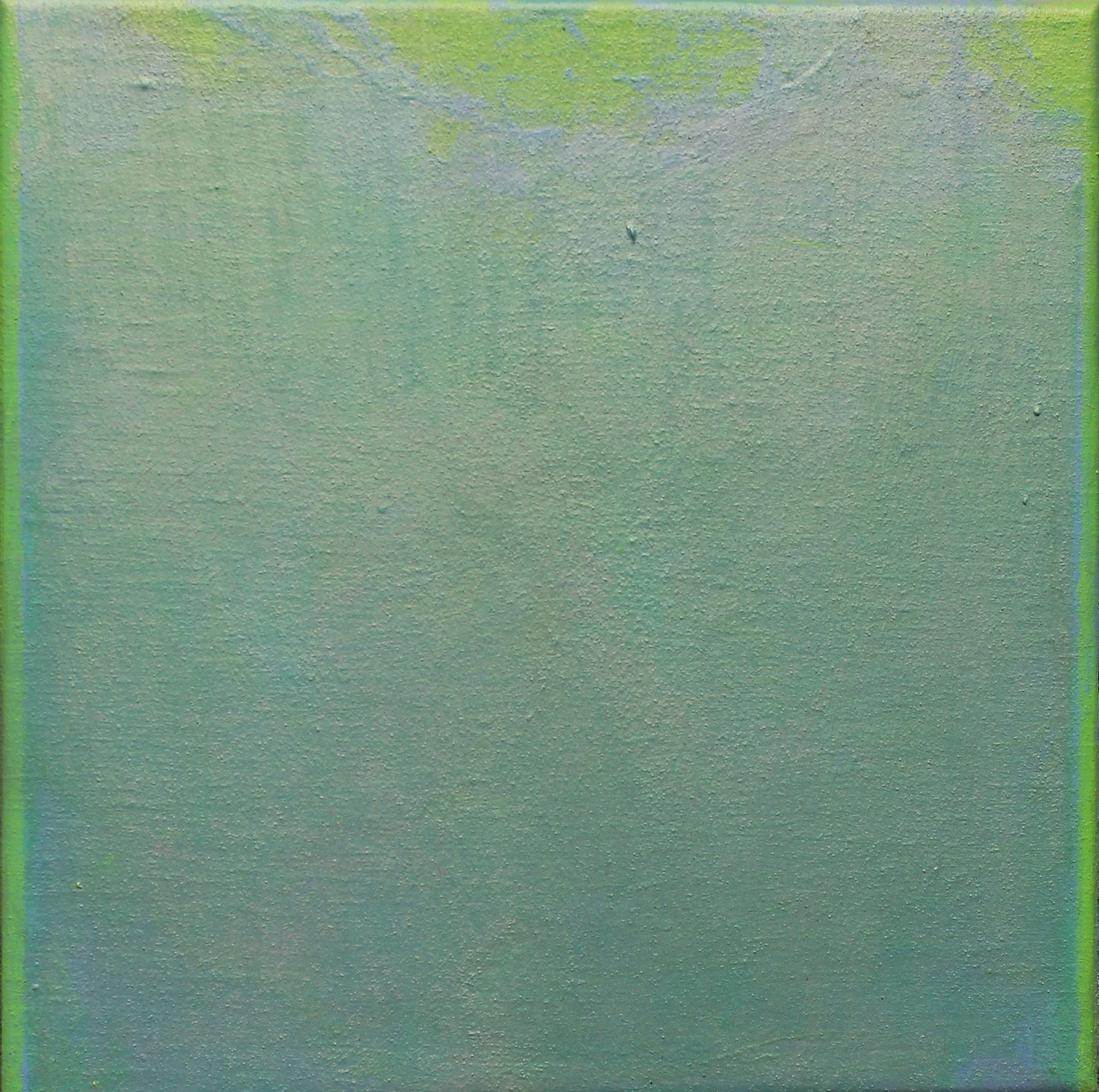
Color Study B
12” x 12”
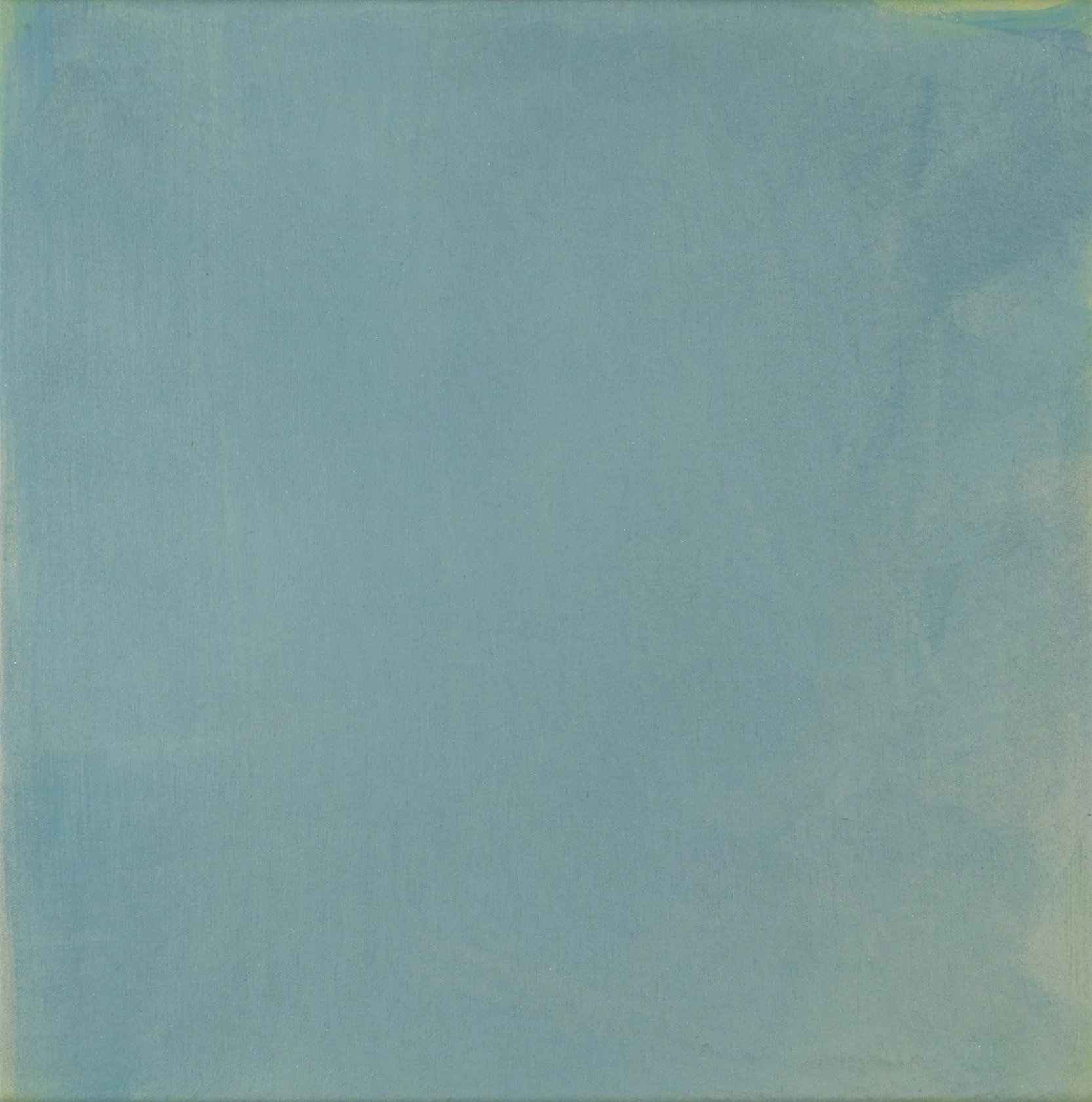
Aquashield
20” x 20”
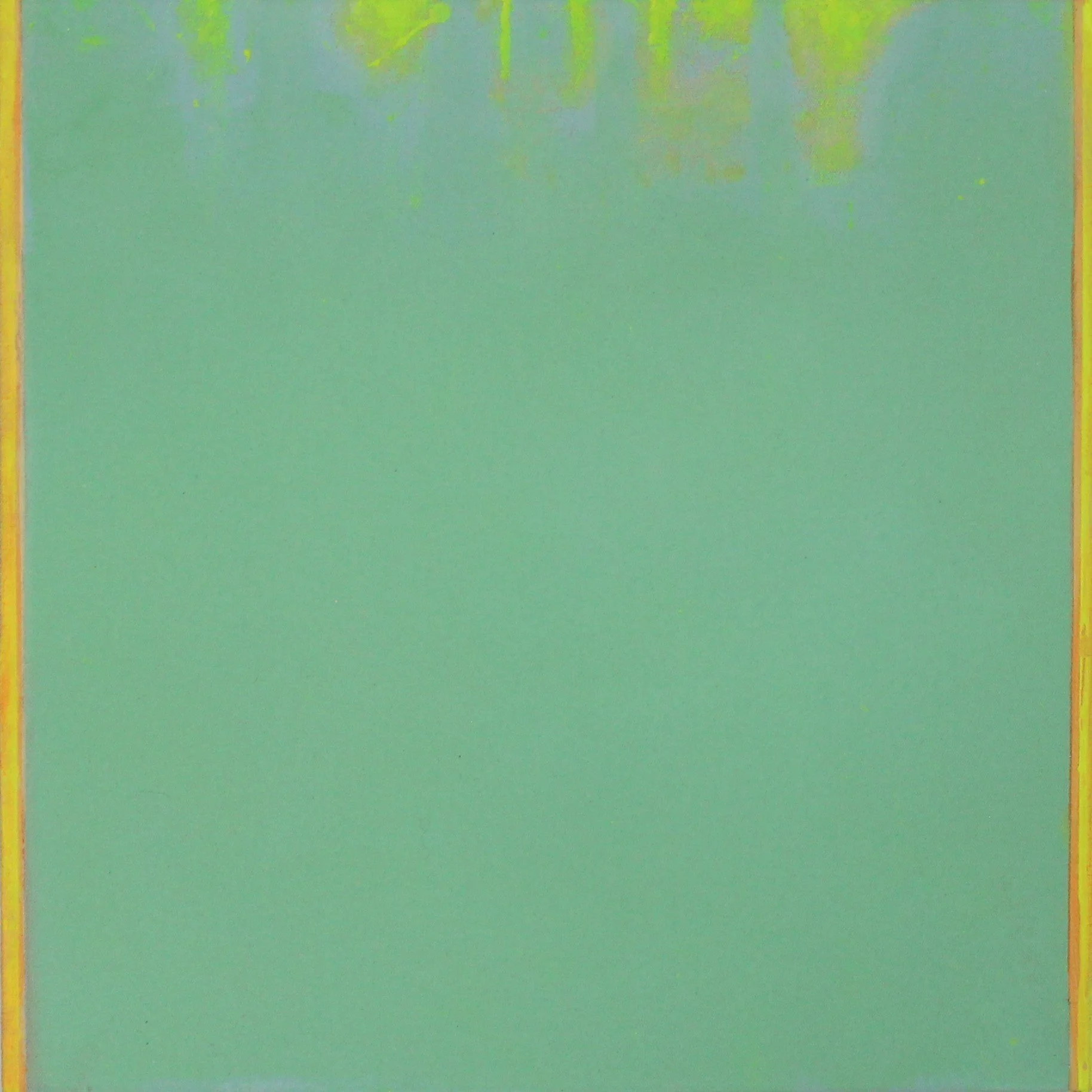
Harvest
20” x 20”
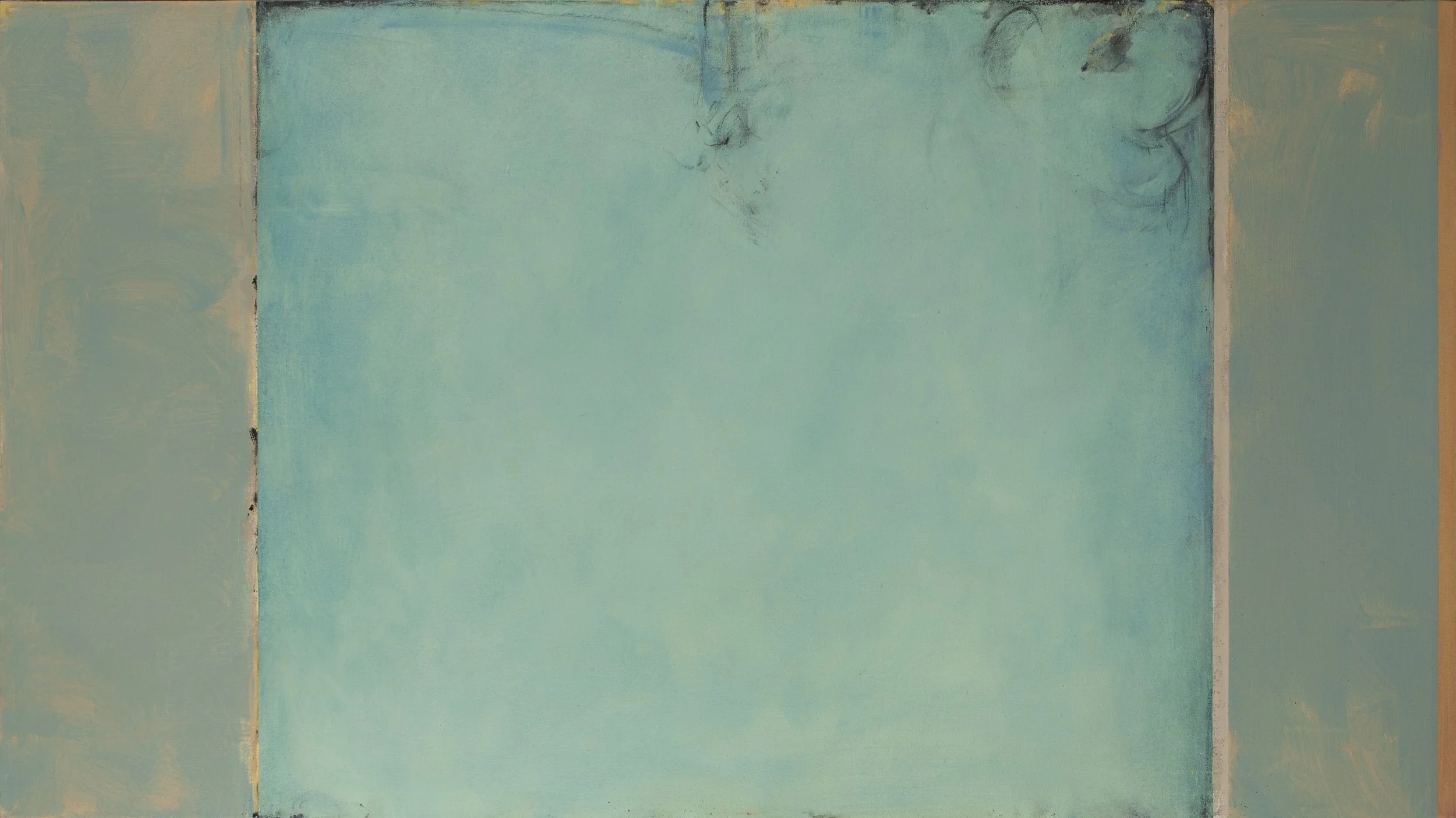
Aquafloat
36” x 68”
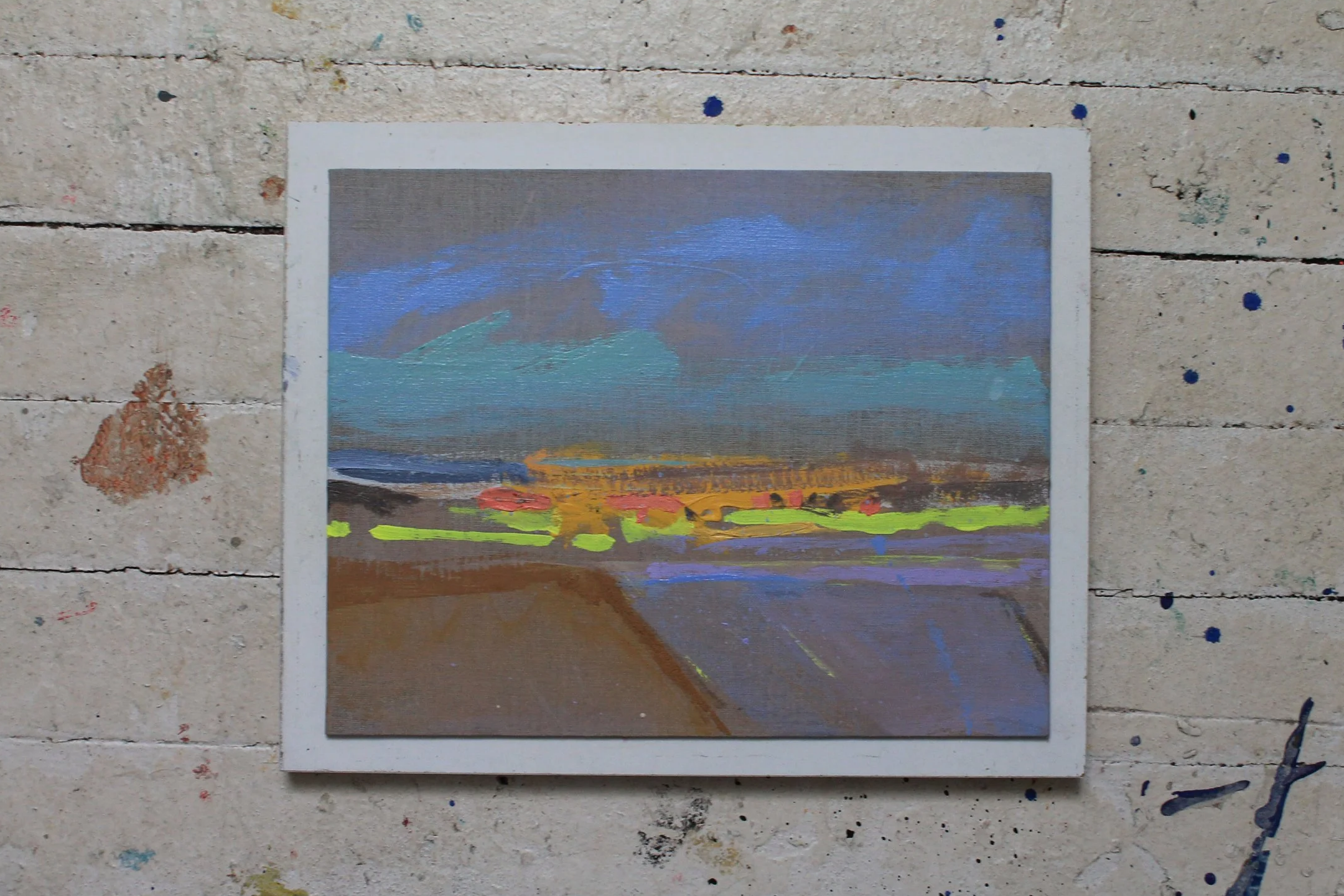
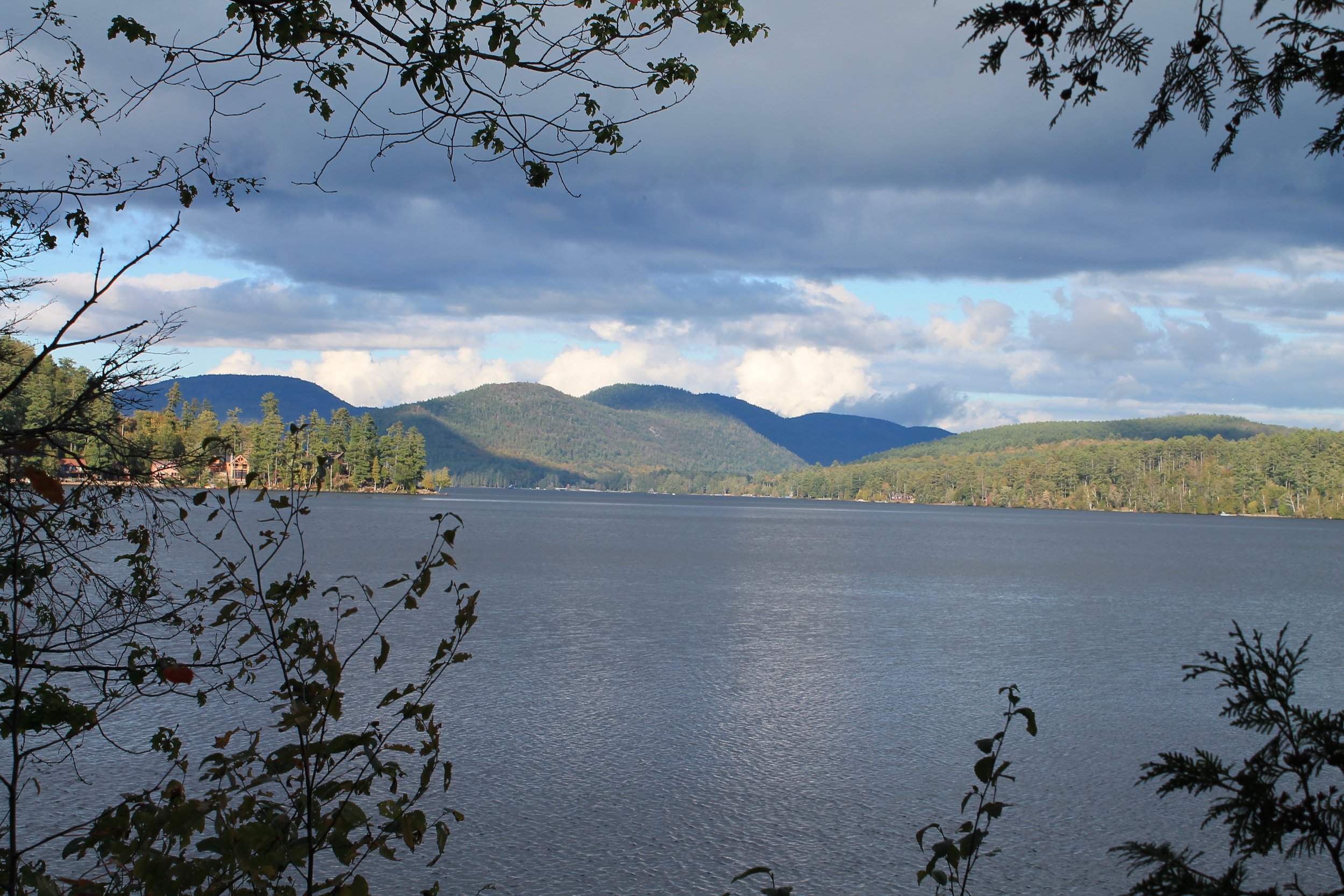
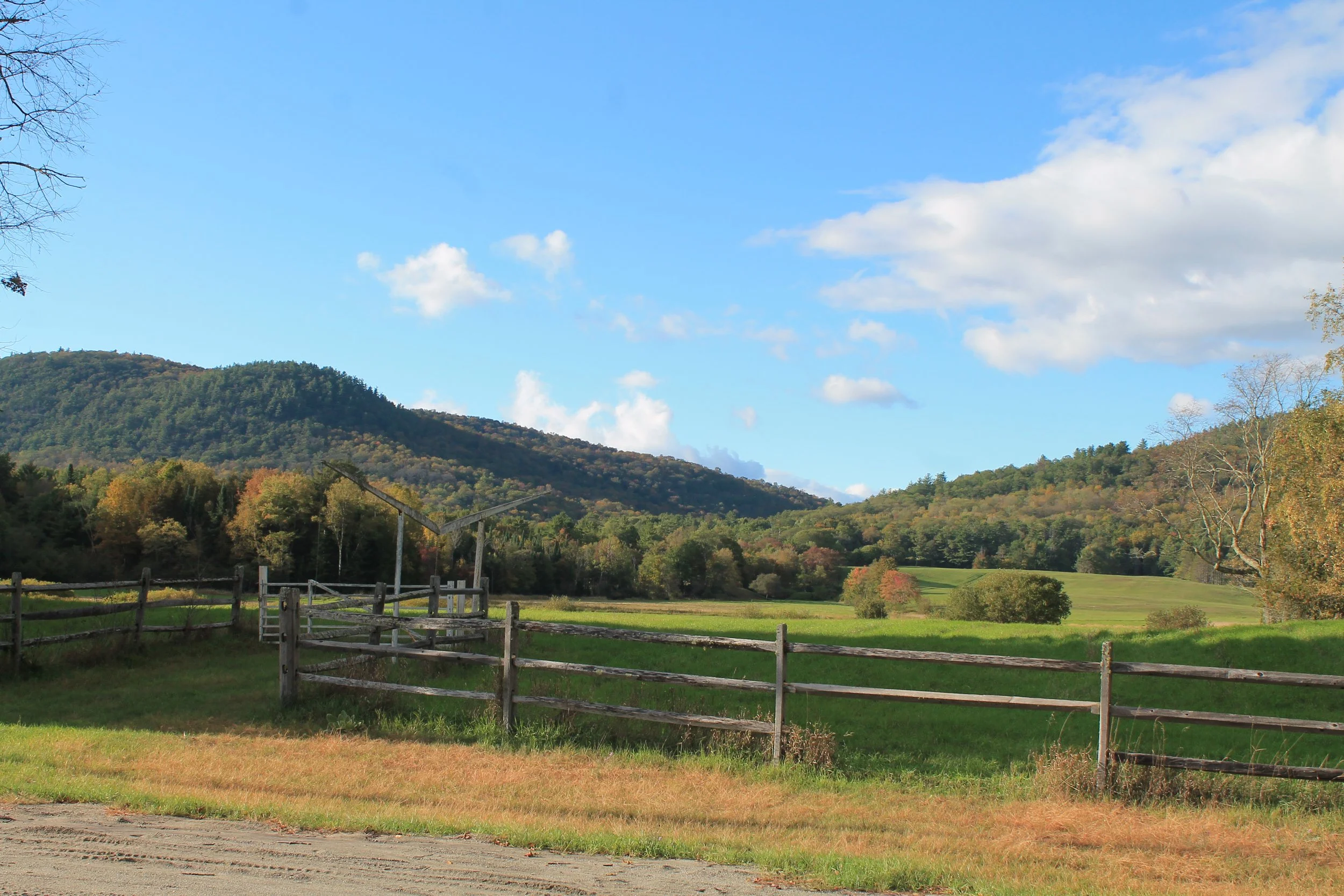
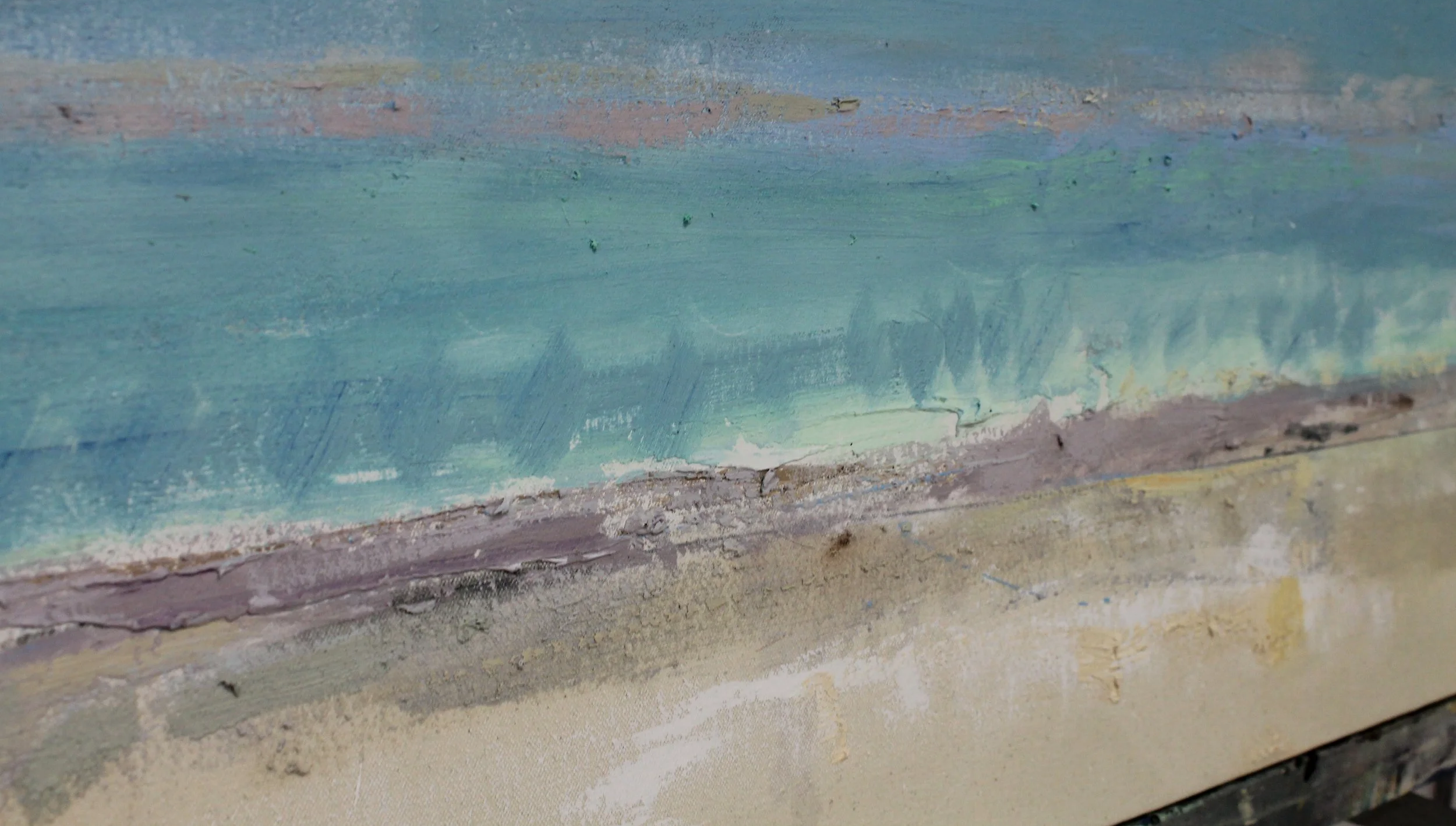
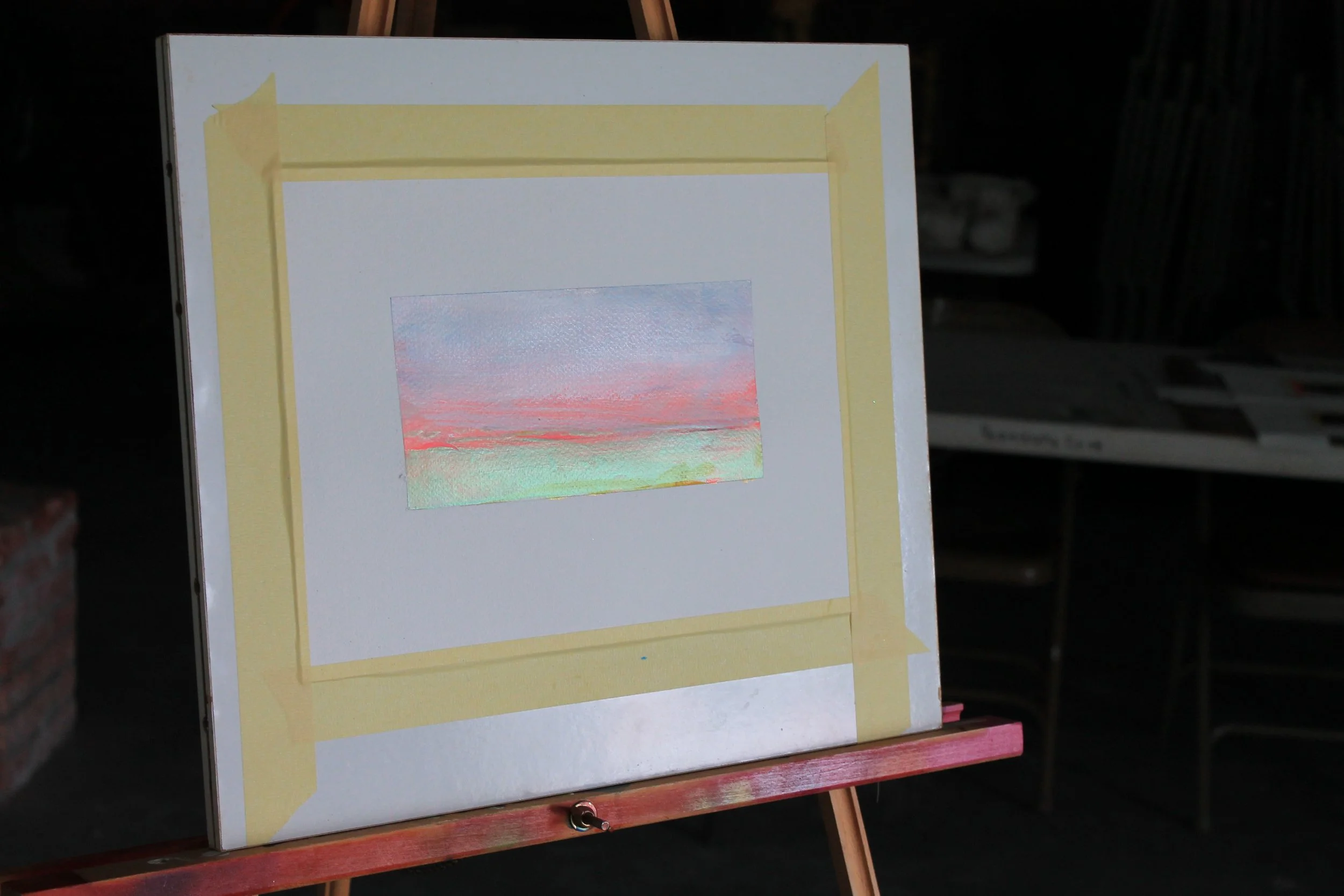
“When starting out with a new palette or unfamiliar pigments, I often begin with small paper landscape studies to see what the colors will do before trying to work on abstractions. Often these are tenuous landscapes at best, but they are sufficient to give me an idea of what I can expect to happen when I layer and combine different paints. The color variations interest me more than the details of the landscape. This minimal aspect of the landscape is present in the larger landscapes on canvas as well, as I want color and the quality of the paint surfaces to be the primary focus.”
Medium & Material
The work was grounded in oil and acrylic painting, with a range of additional materials incorporated as needed. Materials were treated as flexible and responsive, allowing surfaces to be built up, altered, and reworked over time.
Photography as a Tool for Seeing
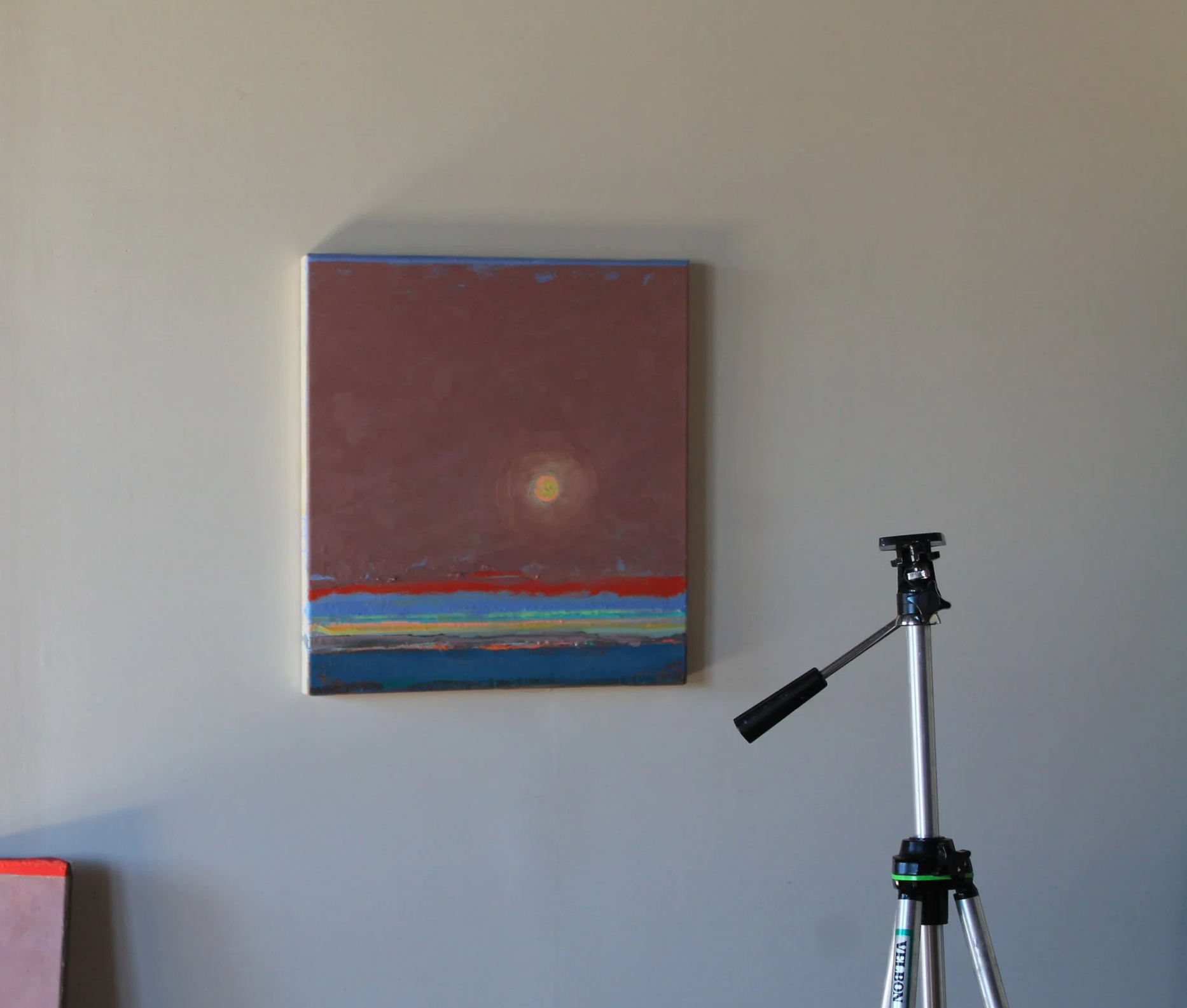
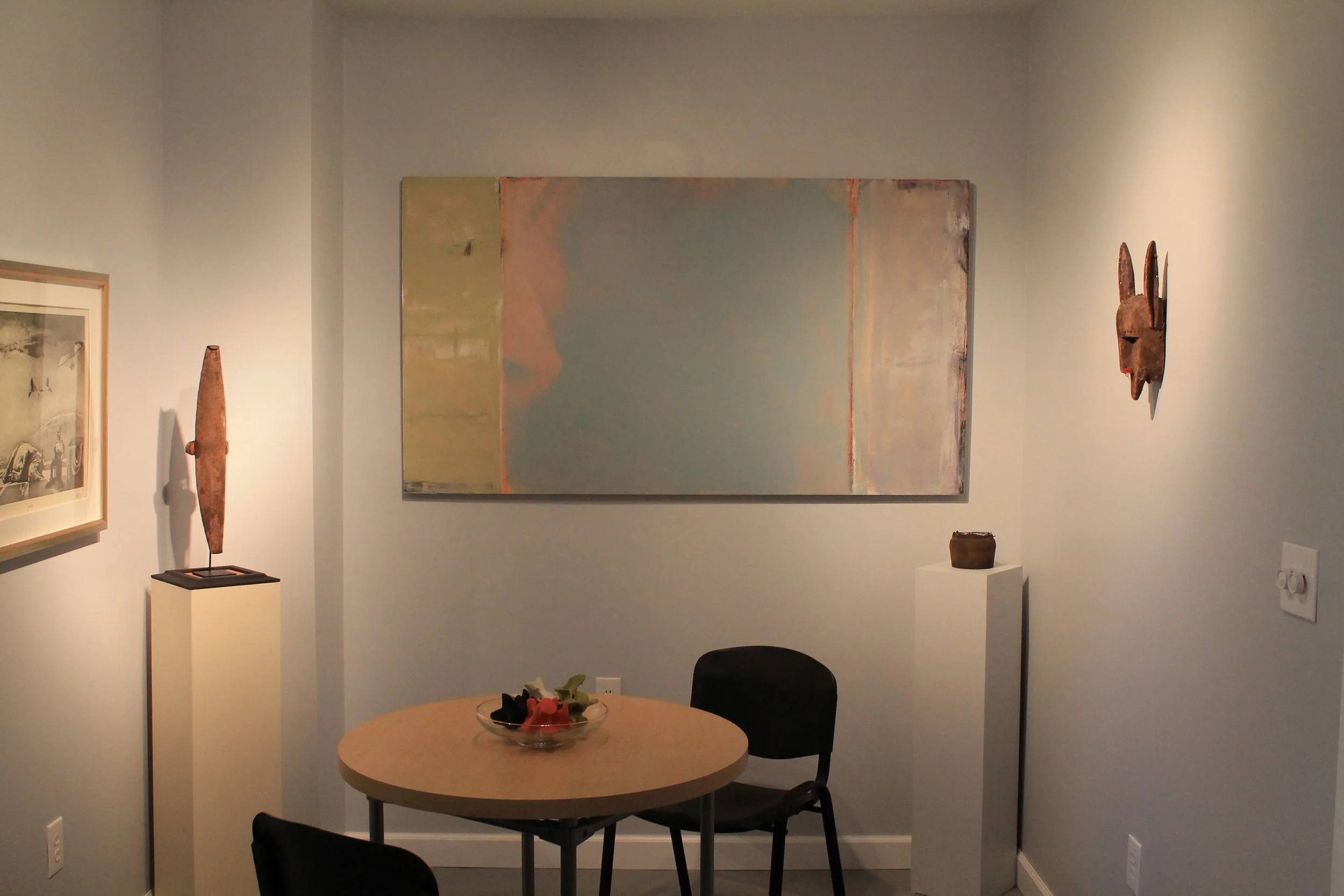
The work demanded careful attention to surface, layering, and reflectivity. Photographing paintings in progress flattened the image, allowing compositional relationships and color interactions to be seen differently. This shift in perspective helped guide decisions about balance, depth, and how the work might register under varying light conditions.
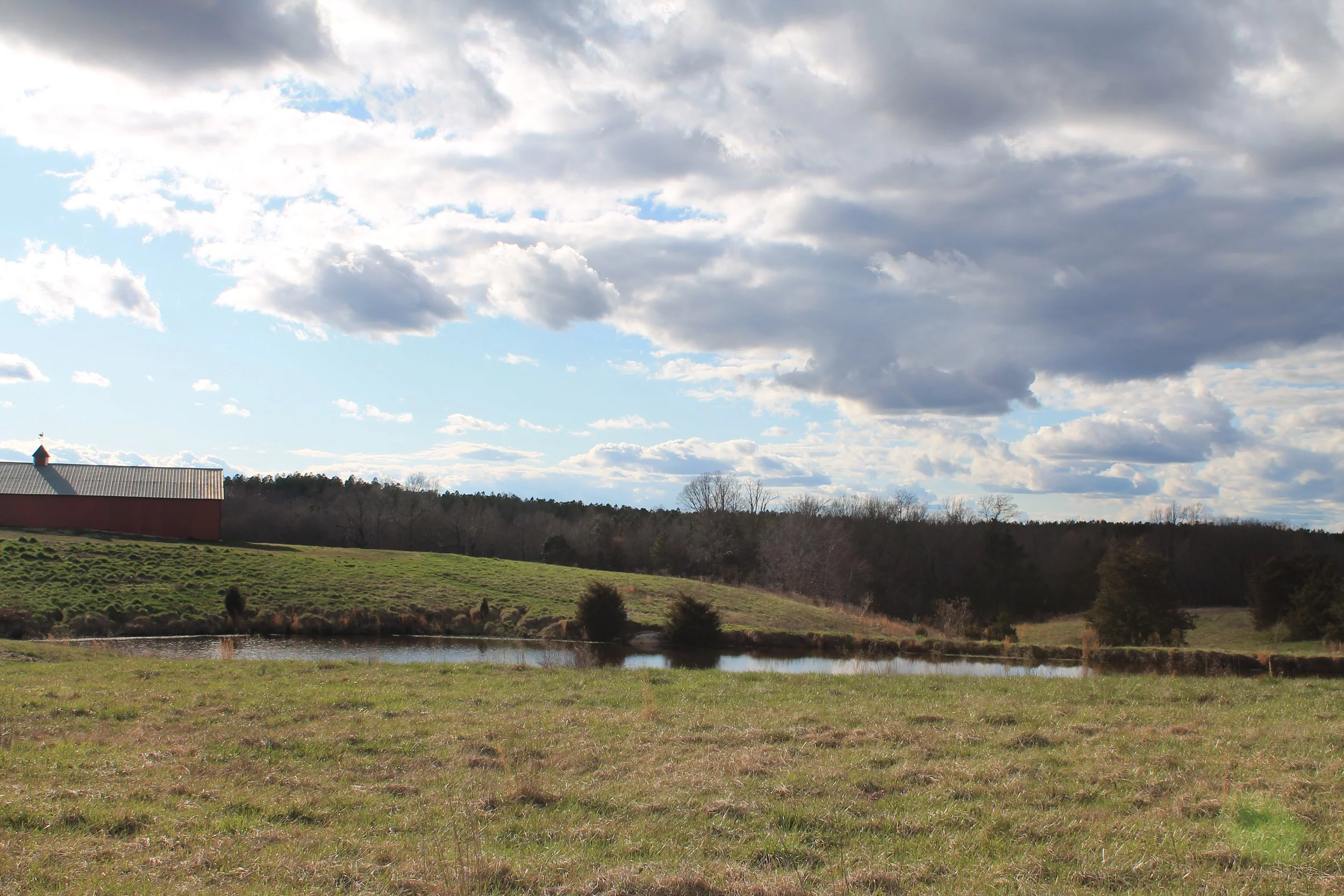
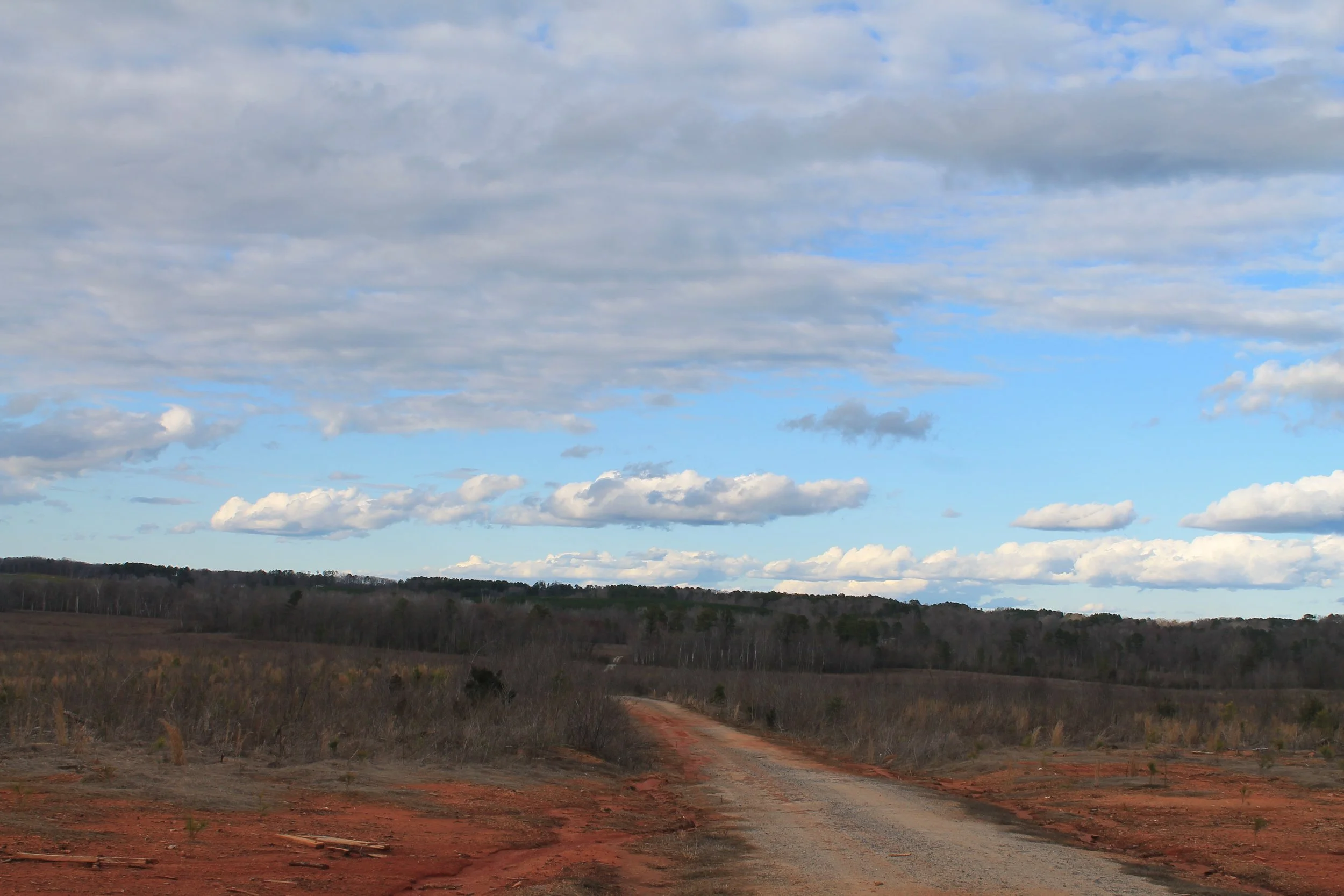
Observation as Source
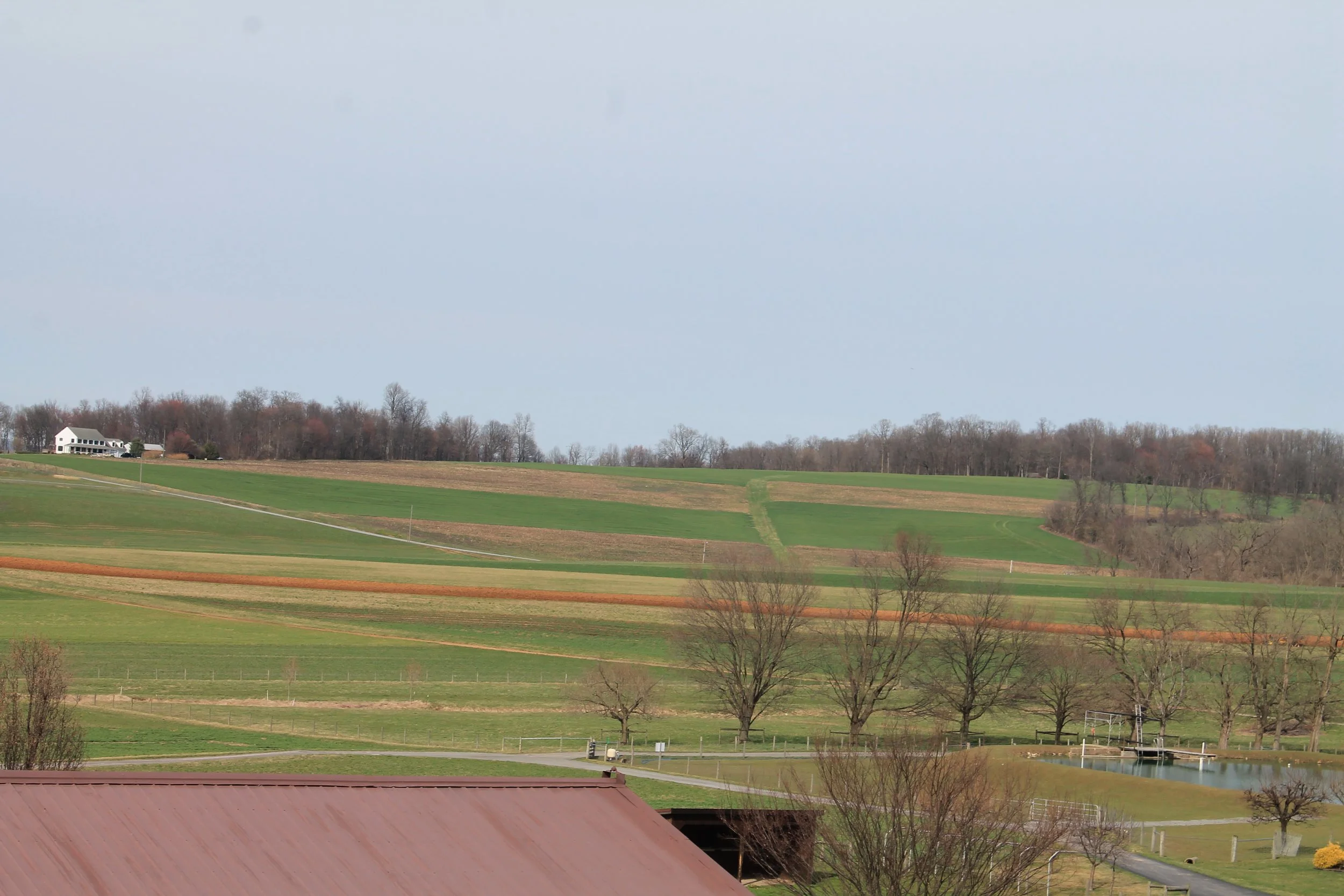
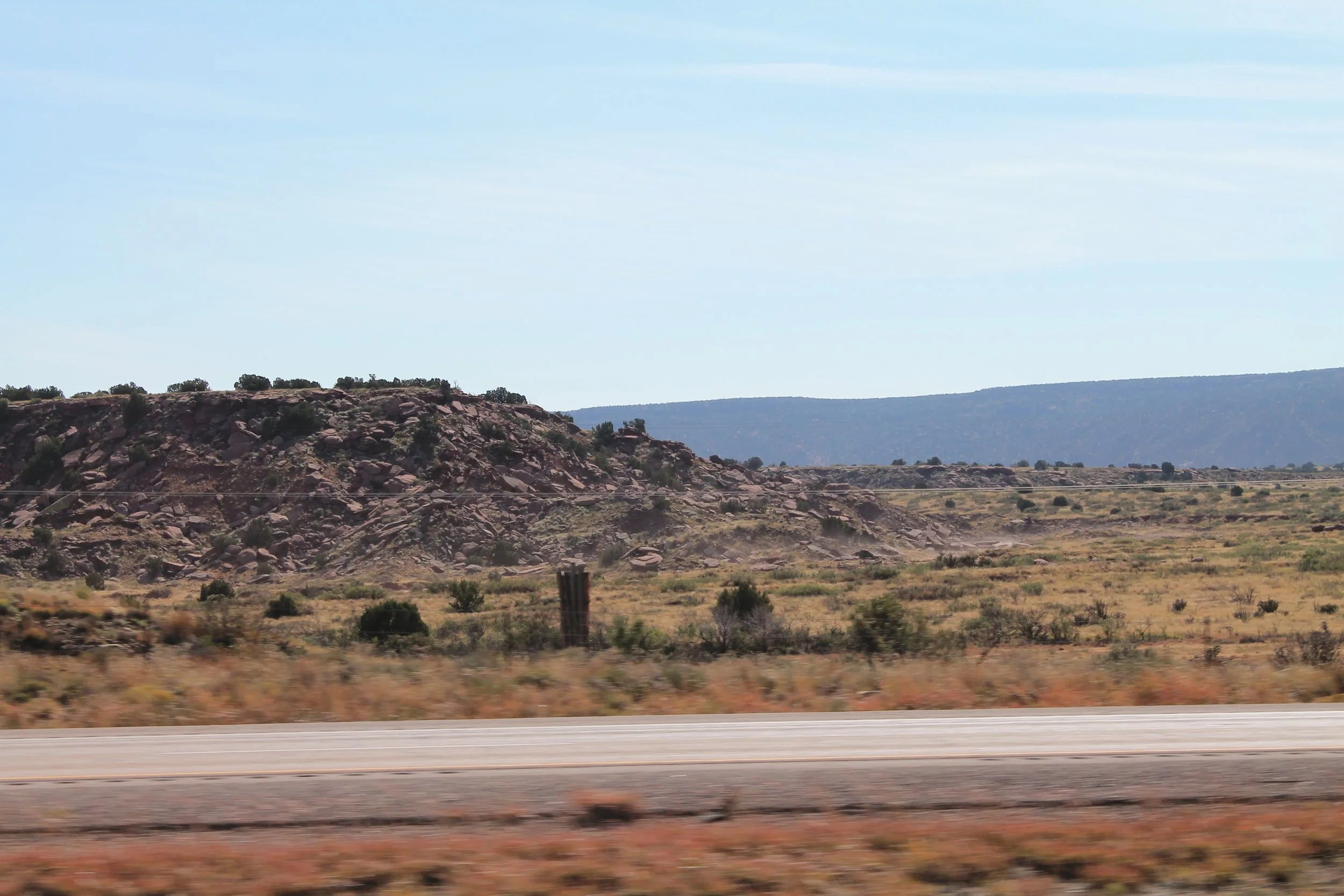
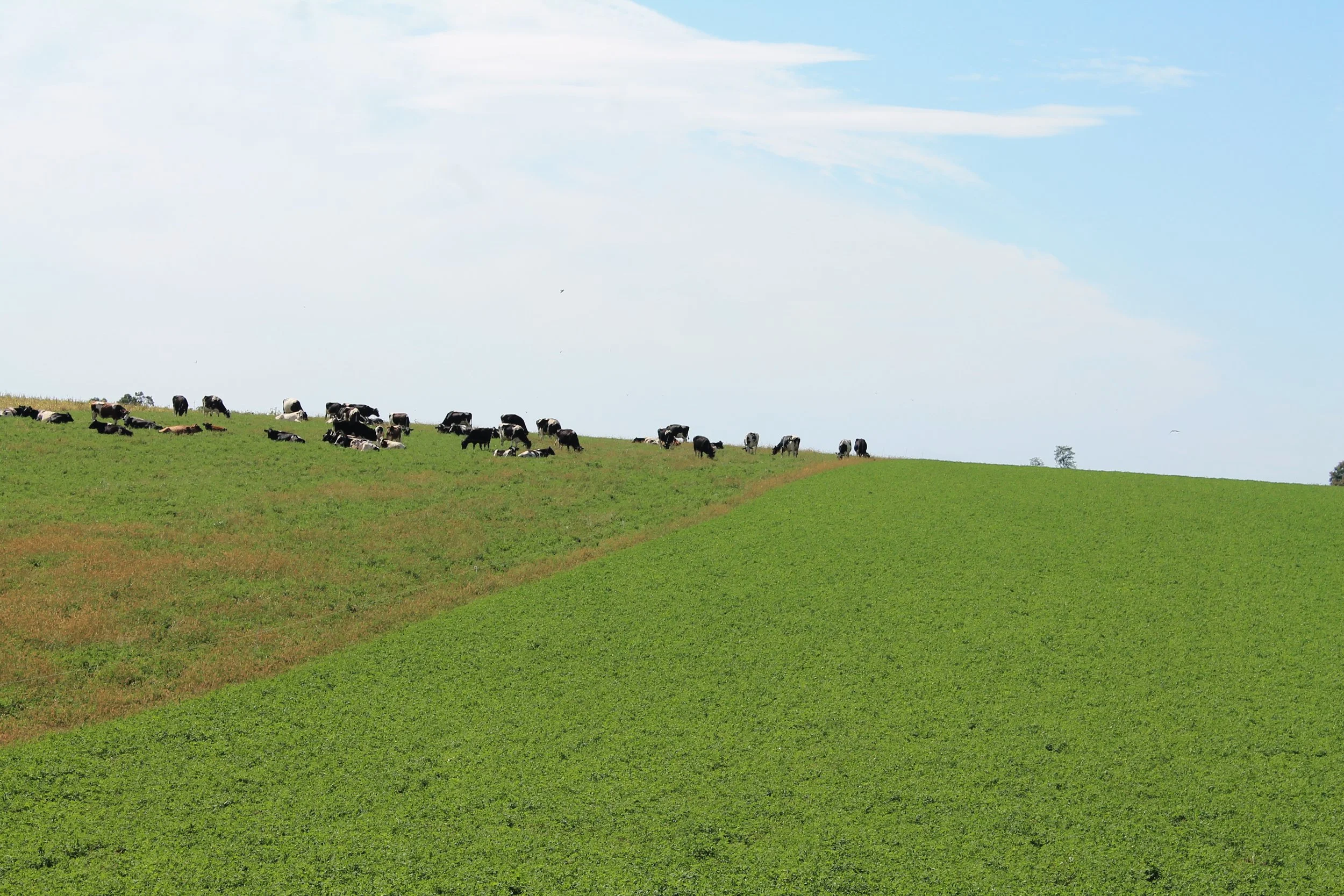
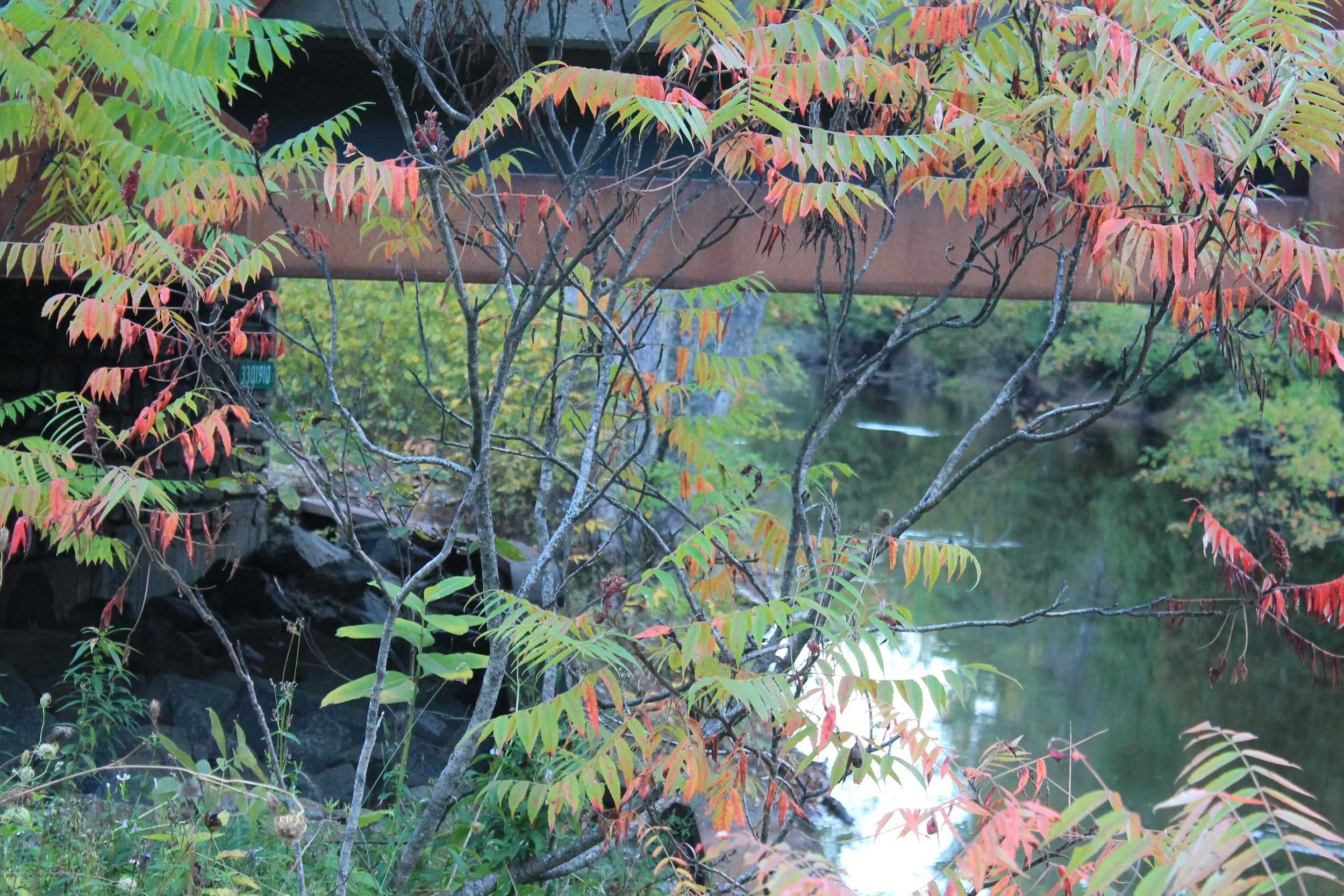
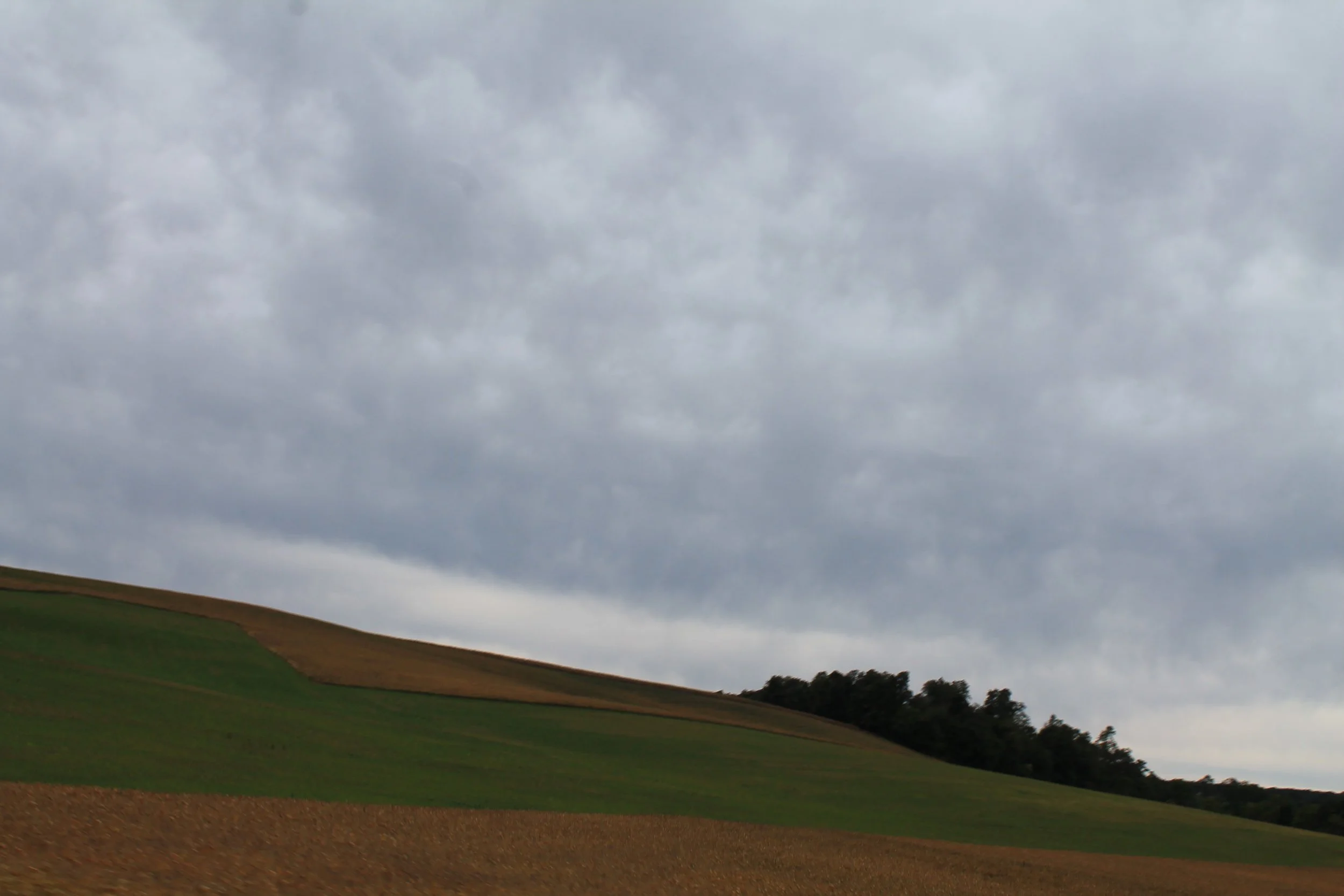
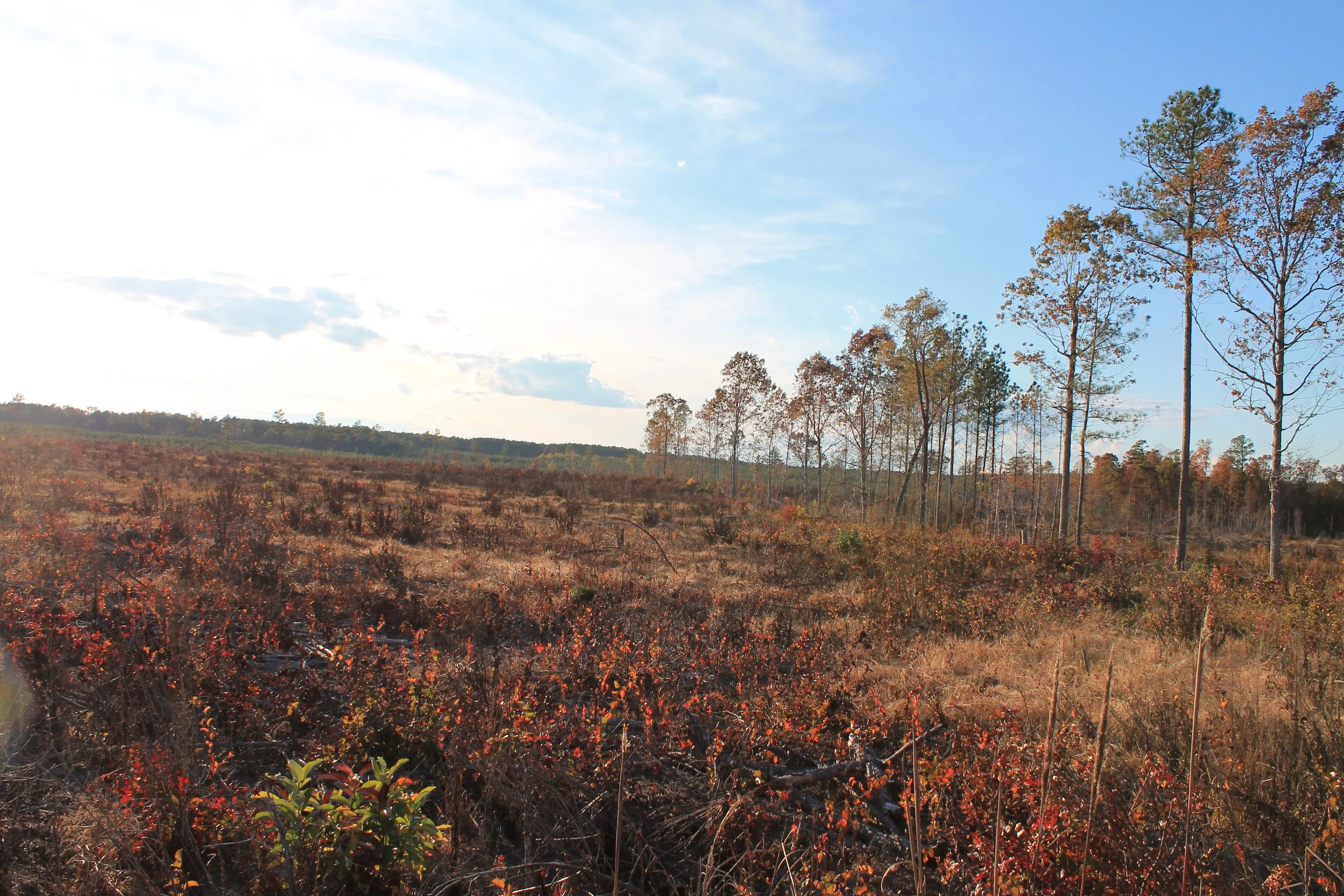
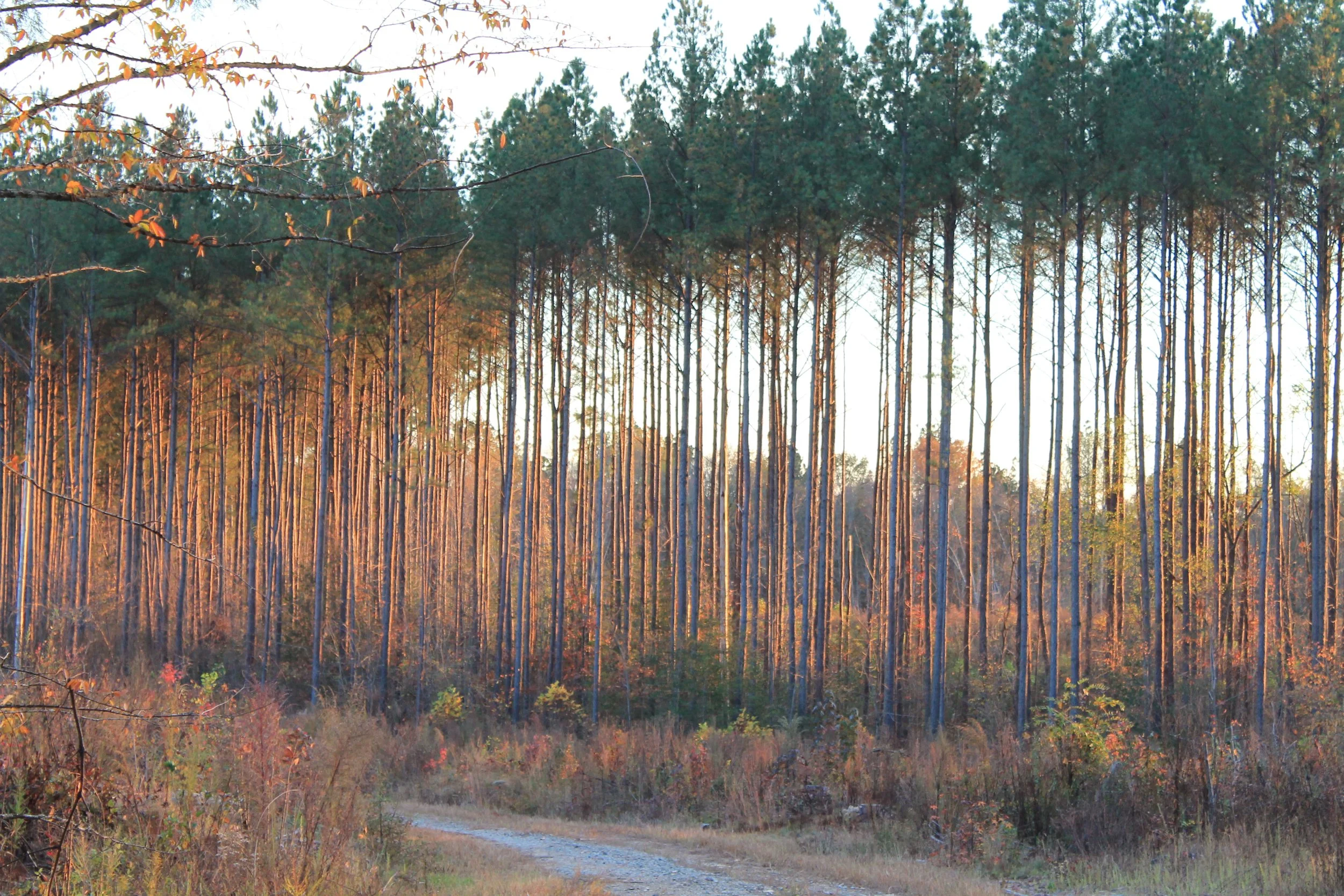
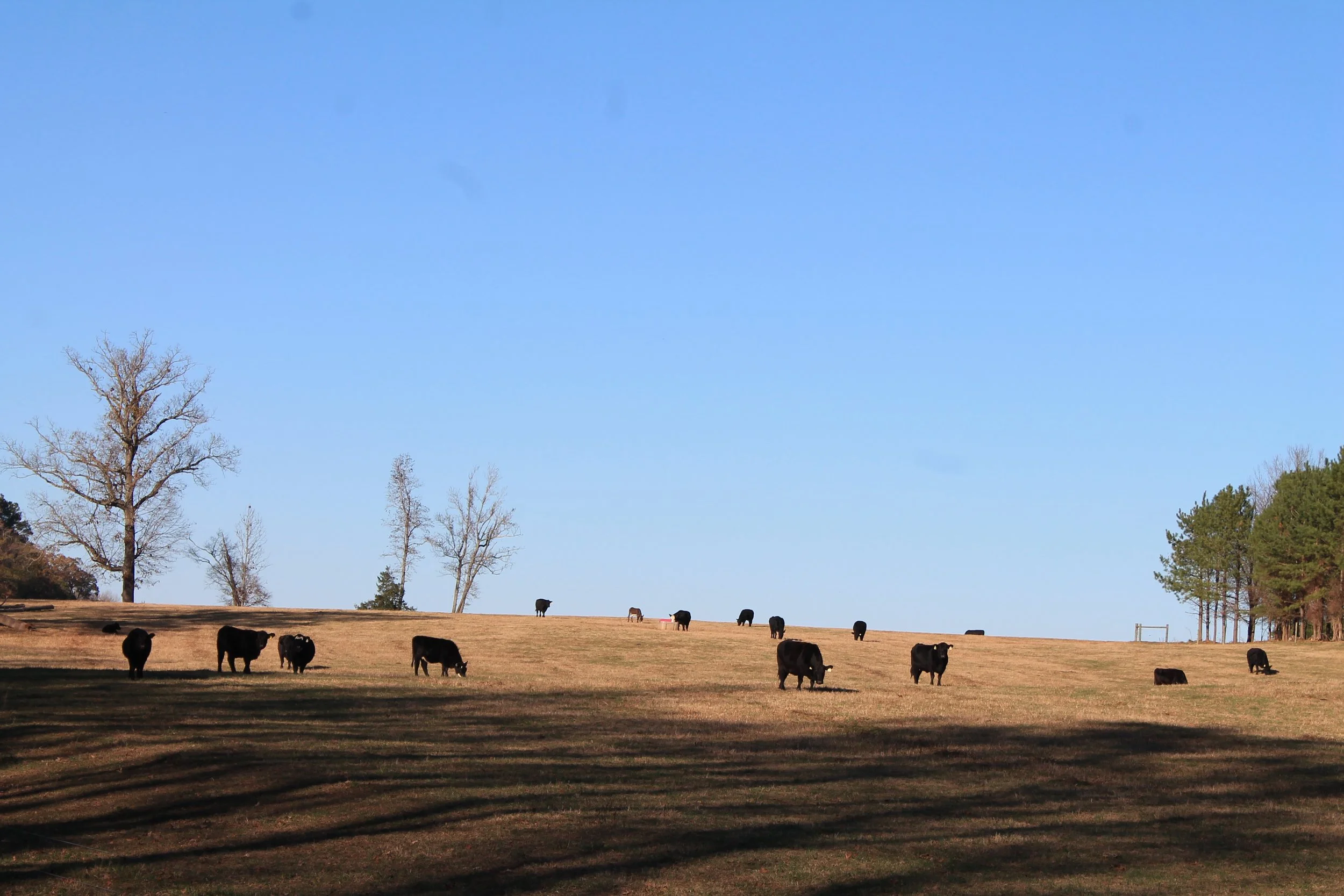
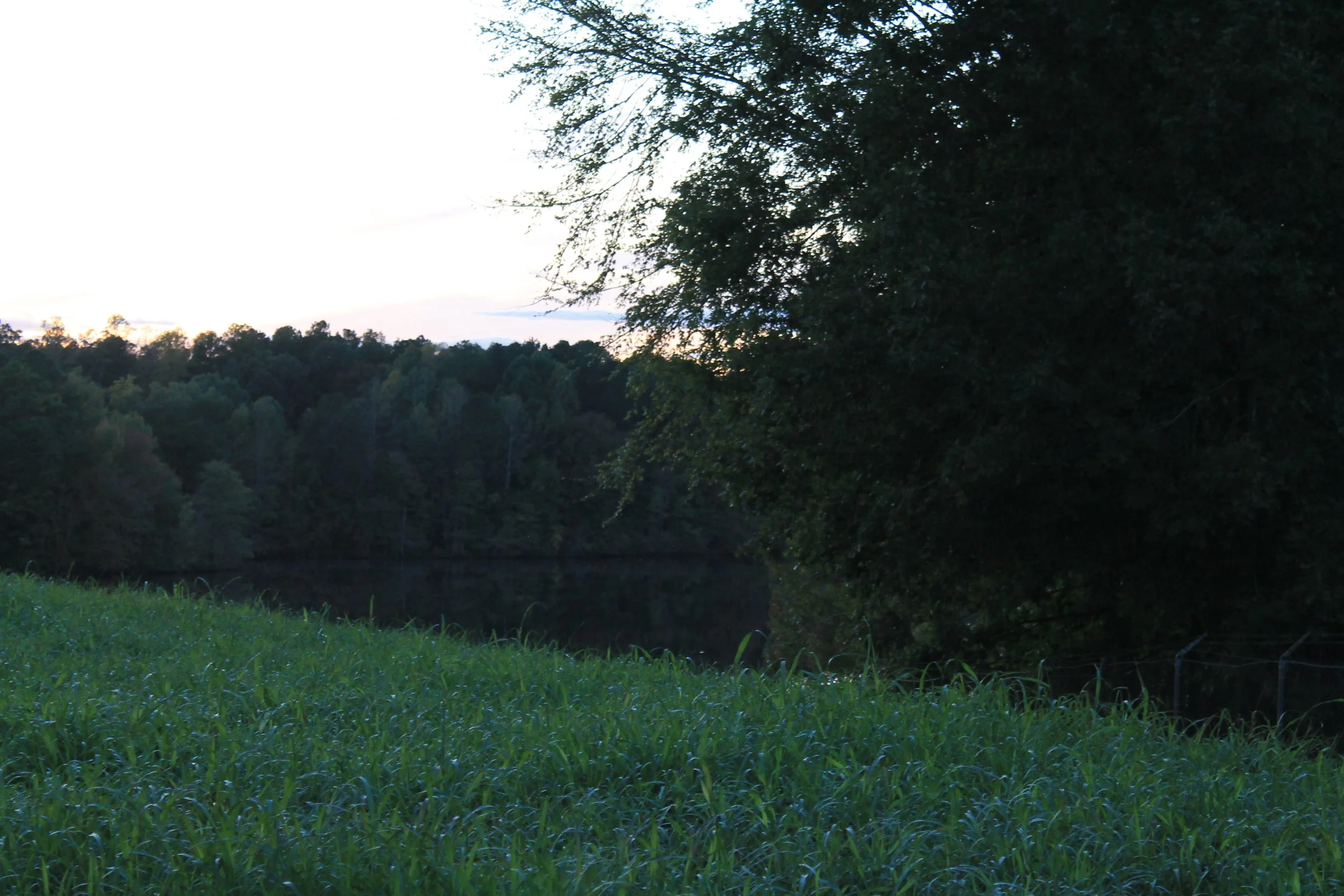
The work drew from sustained observation beyond the studio, including the natural world. Landscapes, fragments of color, animal and plant life, and everyday environments entered the work through attention and memory, sometimes recorded through photographs and at other times absorbed directly through looking.